Looking for a reliable jewelry manufacturer for your next collection? Sunsmerald Jewelry specializes in custom jewelry design, wholesale production, and professional manufacturing solutions for global brands, retailers, and distributors. Share your jewelry requirements with us, including product styles, materials, gemstone preferences, order quantities, and delivery expectations.
Managing Batch Consistency for Lab-Grown Diamond Orders
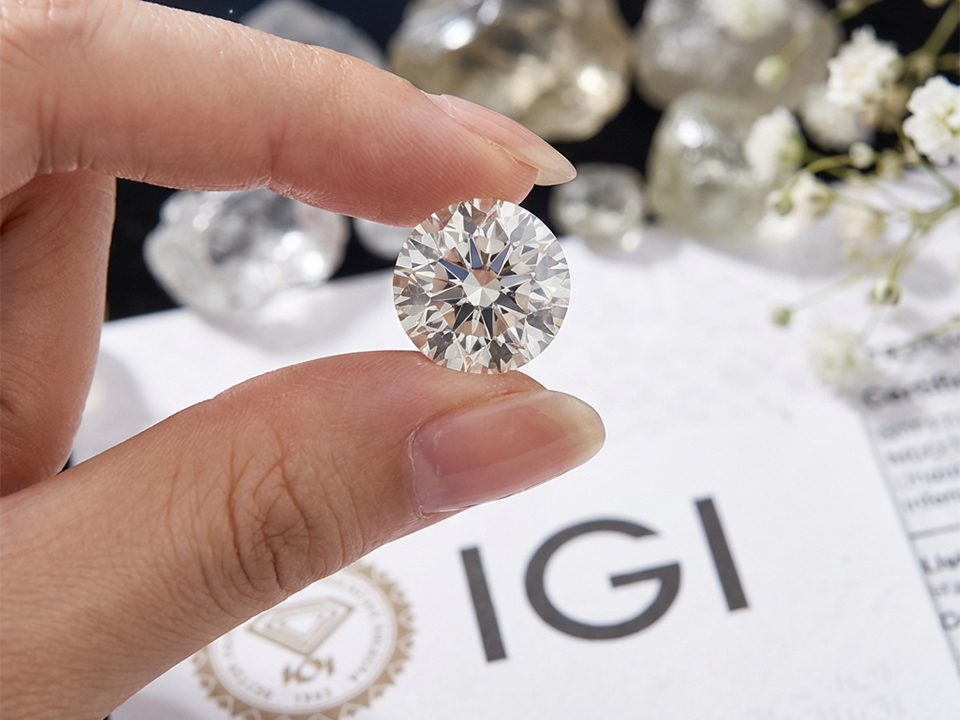
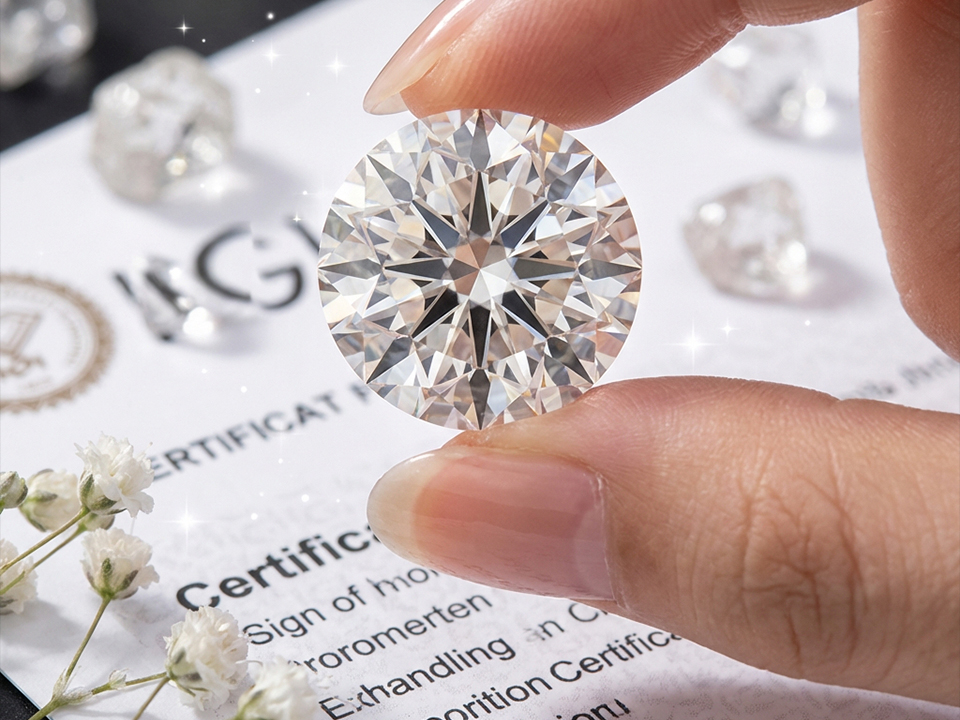
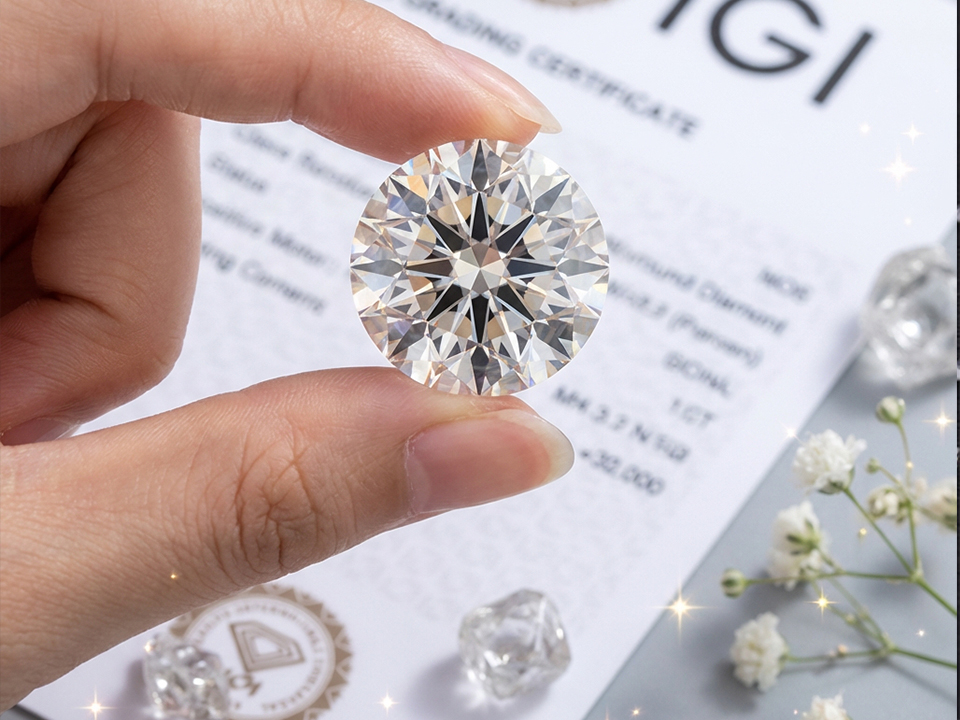
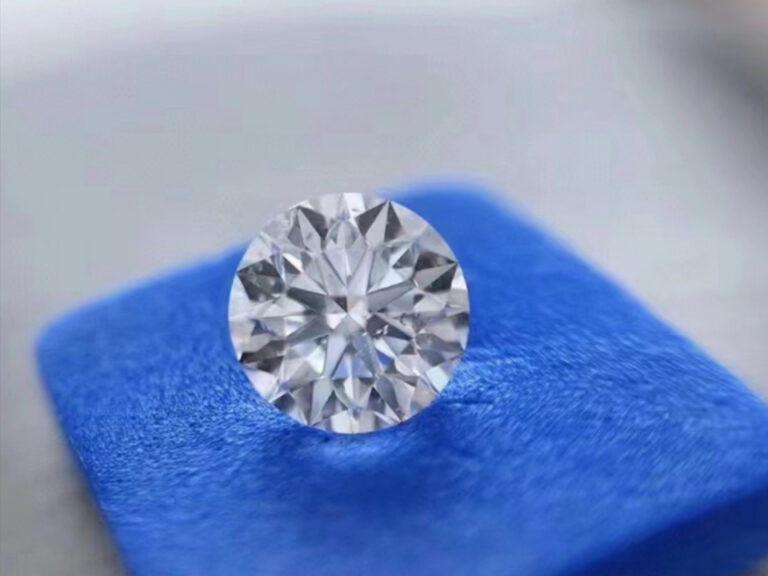
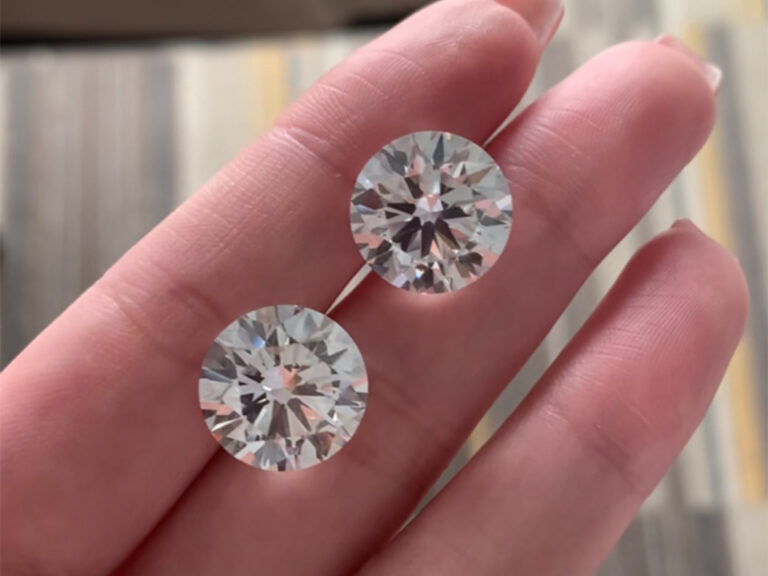
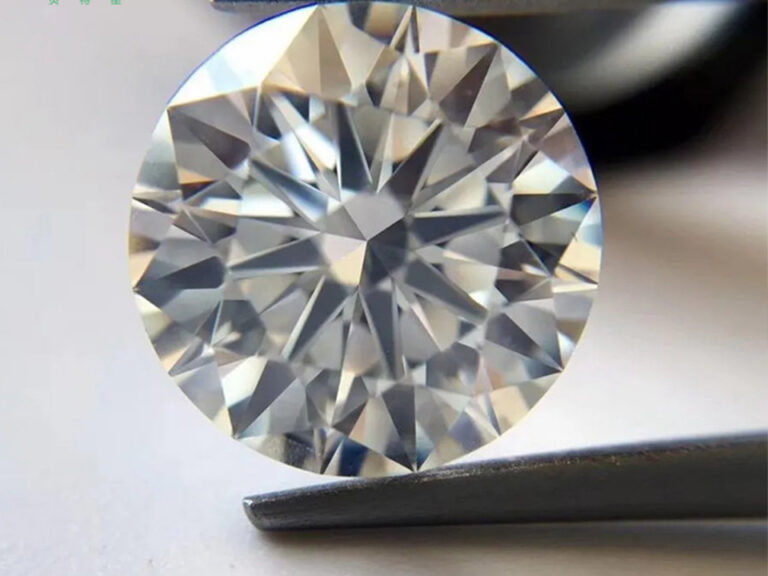
Two laboratory-grown diamonds might both carry an E color and VS1 quality yet look significantly different after placing because their undertone, fluorescence, strain pattern, reduced proportions, openness, incorporation position, or post-growth treatment history does not match. So just what did the purchaser systematize– the stones or the documentation?
That distinction matters a lot more as production ranges.
In August 2024, International Gemmological Institute declared an IPO of approximately 40 billion Indian rupees, approximately $477 million, as demand for laboratory-grown diamond grading broadened. Reuters likewise reported that India, China, and the USA stood for 74% of the worldwide precious jewelry market under the analysis cited in the declaring. This is no longer a cottage-industry sourcing issue. It is a commercial quality-control problem.
GIA’s 2024 research study makes the scale change also clearer. India was approximated to run 4,000– 6,000 CVD reactors, lots of around Surat, while a 75.33 ct square emerald-cut CVD diamond was displayed at the 2024 JCK show in Las vega. Many CVD diamonds sent to GIA were once listed below 0.50 ct; today, the bulk surpass 3 ct.. More capacity appears calming. It is not.
More activators, even more growers, even more therapy recipes, and much more brightening subcontractors produce more possibilities for variation. A distributor with the ability of producing 10,000 practically acceptable stones is not automatically efficient in producing 10,000 stones that appear like one coherent collection.
Lab-Grown Ruby Set Consistency Is Not Certificate Uniformity
Lab-grown ruby batch uniformity suggests regulating the quantifiable and noticeable variation among rocks supplied under one acquisition specification. It includes color, clarity, dimensions, reduced geometry, fluorescence, transparency, growth method, post-growth treatment, engraving, documents, and face-up appearance.
A grading record assesses an individual rock. A manufacturing batch have to be assessed as a population.
That is the tough reality.
Many customers place an order for “1.00 ct, E– F, VS1– VS2, lab-grown diamonds” and believe they have created a spec. They have not. They have composed a wide acquiring group.
An E– F color variety contains two grades. VS1– VS2 has one more 2. Include numerous table portions, deepness percentages, girdle profiles, fluorescence levels, CVD and HPHT manufacturing, dealt with and untreated product, and various cutting facilities, and the series of possible face-up appearances comes to be remarkably large.
This ends up being apparent in finished precious jewelry. A pear-shape lab-diamond involvement ring can disclose inconsistent bow-ties, shoulder forms, suggestion alignment, and length-to-width ratios even when every center stone sits inside the exact same certification variety.
The certification is proof. It is not the whole decision.
Why CVD and HPHT Diamonds Should Be Managed as Separate Production Lanes
Chemical vapor deposition and high-pressure, high-temperature growth both create crystalline carbon, but they do not create similar analysis populations.
CVD development down payments ruby product from a carbon-bearing gas mixture, typically including methane and hydrogen, over a diamond substrate. HPHT development makes use of high stress, high temperature, a carbon resource, a seed, and typically a metal stimulant system.
The consumer may not see the reactor. Quality assurance still has to account for it.
GIA reports that HPHT-grown diamonds can present geometric color zoning and metallic change inclusions including components such as iron, nickel, and cobalt. CVD-grown rubies more frequently reveal graphite or other non-metallic additions, grouped stress patterns, and occasionally striated fluorescence. These attributes do not appear in every stone, which is precisely why identification can not rely upon one visual hint.
The production data is even more enlightening. In GIA’s 2024 review:
About 80% of sent CVD-grown rubies had obtained post-growth HPHT therapy intended to enhance shade.
About 85% of colorless to near-colorless kind IIb CVD submissions revealed such therapy.
More than 90% of HPHT-grown diamond consumption during 2021– 2023 was colorless.
E color stood for the greatest proportion amongst big CVD submissions, while D shade represented the largest share among HPHT submissions.
These are GIA entry stats, not a census of every diamond made worldwide. However, they reveal a purchase blunder I see embedded in weak requirements: purchasers request a color grade yet continue to be quiet about development method and post-growth handling.
Silence is pricey.
A combined CVD– HPHT batch might still be commercially functional. Yet it ought to be blended deliberately, tested purposely, and accepted versus an aesthetic standard– not assembled because someone located sufficient certificates with matching letters.
My regulation is candid: segregate CVD, HPHT, post-growth-treated CVD, and unattended CVD throughout inbound evaluation. Incorporate them just after aesthetic and important proof shows that the customer-facing outcome continues to be coherent.
Beginning With a Golden Sample, Not a Vague Order
The most effective quality-control procedure for lab-grown diamonds starts with a physical authorized referral.
Call it a golden example, limit collection, control rock, or approval master. The name does not issue. Its authority does.
For each persisting order, I would certainly maintain:
One ideal face-up recommendation stone.
One acceptable reduced limit for shade.
One appropriate lower boundary for clarity.
One optimum appropriate fluorescence reference.
One inappropriate stone revealing the flaw more than likely to trigger disputes.
That fifth sample is frequently ignored. It ought to not be.
Distributors understand a denied gray cast, visible black inclusion, hazy appearance, heavy bow-tie, or mismatched overview faster when they can see the failing rather than interpret another paragraph of procurement language.
For a radiant-cut program, the recommendation set need to manage corner shape, size, table appearance, contrast distribution, and length-to-width proportion. A completed D-color radiant-cut lab-diamond ring illustrates why “radiant cut” is not a full appearance requirements. Some radiants are lengthy and slender. Others are nearly square. Some show well balanced comparison; others produce a dark center that controls the setting.
Which one is your product?
Response that prior to releasing the order.
The gold example should be viewed under controlled illumination: daylight-equivalent illumination, diffused neutral light, and the actual retail illumination setting. A stone that looks white under high-intensity LED lighting may show heat, grayness, blue nuance, or fluorescence-related distinctions in other places.
Transform Ruby Shade and Clearness Matching Into Measurable Policy
“Suit carefully” is not a quality-control direction.
It is an invite to say.
A severe spec converts subjective expectations right into observable resistances. The precise limits depend on the product, price point, establishing steel, rock dimension, and whether the rubies are sold independently, as matched sets, or in multi-stone precious jewelry.
At minimum, the purchase file must define:
Accepted color-grade range.
Optimum face-up shade distinction within one finished thing.
Accepted clarity-grade range.
Eye-clean interpretation and watching distance.
Allowed incorporation shades and areas.
Fluorescence ceiling.
Growth approach.
Permitted post-growth therapies.
Table and deepness arrays.
Band limitations.
Length-to-width ratio.
Diameter or dimensional resistance.
Polish and proportion minimums.
Record laboratory.
Laser-inscription needs.
Allowed weight discrepancy.
Replacement and denial procedure.
I do not like the phrase “eye tidy” unless the contract specifies the eye, the light, and the distance.
A workable industrial definition could specify that no inclusion might be visible face-up to a qualified inspector with normal or corrected-to-normal vision at 20– 25 centimeters under diffused daylight-equivalent illumination, without magnification, after five seconds of observation.
That is testable.
For clarity matching, addition position commonly matters greater than the quality alone. A VS2 addition near the band may disappear after establishing. An additional VS2 incorporation straight under the table might be apparent to the consumer.
For color matching, master rocks stay important, however the test must occur face-up and table-down. Table-down contrast is useful for body color; face-up comparison records the mixed effect of shade, cut, fluorescence, transparency, and optical efficiency.
And do not neglect grey or brownish subtlety merely since the record states D, E, or F. GIA documented that brown coloration in CVD product can associate with job clusters or nitrogen-related problems which grey pigmentation has actually been linked to non-diamond carbon nanoclusters. Production methods have actually improved, but historical renovation does not assure harmony inside every commercial parcel.
Inspect the Entire Batch in Layers
Examining every stone for every single feature might be unrealistic on high-volume orders. Examining just a few certifications is even worse.
A split method works much better.
Layer 1: Document Control
Confirm 100% of report numbers, laser engravings, stated development techniques, treatment disclosures, carat weight weights, measurements, and rock identifications.
No sampling right here.
The price of a paper inequality prolongs past replacement value. It can cause customer problems, returns, chargebacks, marketplace fines, and questions about whether the business understands its own inventory.
Layer 2: Quick Aesthetic Testing
Screen every stone for noticeable failures:
Noticeable grey, brown, blue, or yellow subtlety.
Milkiness or reduced transparency.
Serious bow-tie.
Broken band or culet damages.
Obvious black incorporation.
Wrong shape.
Poor symmetry.
Strong fluorescence where prohibited.
Record or inscription mismatch.
This screening ought to be quick, repeatable, and tape-recorded.
Layer 3: Comprehensive Sample Assessment
Select a statistically purposeful example from each production whole lot, activator set, therapy group, cutting subcontractor, or shipment.
Random sampling alone is inadequate. Include targeted samples from:
The top and bottom of the weight array.
Every shade quality.
Every clarity quality.
Every cutter.
Every treatment status.
Every uncommon fluorescence category.
Every packaging segment or production day.
A vendor may average well while concealing incongruity in one farmed out lot. Sampling by danger subjects that.
Layer 4: Finished-Jewelry Audit
Loose-stone authorization does not guarantee finished-jewelry uniformity.
Mounting changes assumption. White steel might emphasize warmth. Rose or yellow gold might hide it. Prongs can conceal additions or position them directly in sight. Rhodium-plated surfaces can make a slightly grey stone look even more evident comparative.
Audit completed pieces versus the product web page, authorized sample, digital photography requirement, and surrounding stones.
Category splitting up also matters. Lab-grown ruby, moissanite, and simulated-diamond supply must not share unclear product packaging or summaries. Products such as rhodium-plated moissanite stud jewelry and 925 silver moissanite water-drop jewelry require unique product identification also when the setting design overlaps with lab-grown ruby fashion jewelry.
Comparable shimmer is not similar product.
A Practical Batch-Acceptance Matrix
The limits listed below are instances for an interior quality system, not global grading standards. Purchasers must adjust them by item type, customer pledge, stone dimension, setting style, and price.
Quality checkpoint
Example purchase requirement
Batch-control policy
Automatic failure trigger
Identification and report
Accepted laboratory record for every center rock
Validate 100% of report numbers and inscriptions
Missing, replicate, unreadable, or mismatched engraving
Growth technique
CVD or HPHT proclaimed in advance
Set apart by development approach throughout inspection
Undeclared substitution or combined lot without authorization
Post-growth treatment
Therapy condition stated
Different treated and neglected populaces
Therapy inconsistent with order
Shade
Instance: E– F
No noticeable face-up mismatch within one ended up product
Gray, brown, blue, or yellow outlier noticeable versus control
Clearness
Instance: VS1– VS2 and eye clean
Check inclusion position, color, and visibility
Table-centered black incorporation visible without magnifying
Carat weight
Instance: 1.00– 1.05 ct
Videotape real weight distribution, not only typical
Stones outside contracted array
Round size
Example: 6.35– 6.50 mm
Tighter resistance for matched pairs
Set distinction above authorized dimensional limit
Fancy-shape proportion
Instance: radiant 1.35– 1.42
Compare summary versus golden example
Square, elongated, or asymmetrical outlier
Fluorescence
Instance: none to collapse
Contrast under regular long-wave UV conditions
Tool or more powerful fluorescence where restricted
Cut appearance
Balanced illumination and contrast
Face-up testimonial under diffused and retail lighting
Severe bow-tie, dead facility, windowing, or obvious leak
Polish and symmetry
Very Good or far better
Validate report and visual finish
Abrasion, extra element, poor meet points, or brightening damages
Product packaging traceability
Whole lot, provider, cutter, and day recorded
Maintain chain of custodianship through setting
Untraceable mixed parcel
Finished-piece uniformity
Match approved production example
Compare nearby stones and product digital photography
Visible inequality after installing
One number is worthy of focus: 0.68 ct.. In a 2024 GIA instance, a huge CVD-grown ruby was resubmitted after HPHT handling and repolishing. It revealed no visible enhancement in color, yet its weight had actually fallen by 0.68 ct, with element icing and subsequent repolishing taken into consideration a feasible factor. Treatment is not a safe checkbox. It can affect weight, surface problem, business economics, and the final requirements.
Vendor Quality Assurance Should Control Change, Not Simply Defects
Many vendor scorecards are retrospective. They count failings after the goods show up.
That is essential. It is not enough.
The better concern is: what transformed before the failing appeared?
A supplier needs to disclose product changes involving:
Development center.
Reactor populace.
Development recipe.
Seed source.
Post-growth annealing.
Treatment contractor.
Reducing facility.
Polishing subcontractor.
Rating lab.
Quality-control devices.
Packaging technique.
Authorized recommendation stone.
Manufacturing preparation.
Why include preparation?
Due to the fact that compressed production schedules urge replacement. A distributor facing a target date may fill up the balance of an order from one more cultivator, cutter, or inventory parcel. The certifications might continue to be practically certified while the aesthetic set disintegrate.
I would certainly additionally rack up vendors on variant, not simply denial rate. A batch can pass every minimum need and still show a large spread across shade, dimensions, table percents, or optical look.
Track process ability through basic operational information:
Portion within the recommended shade quality, not just the allowed range.
Conventional inconsistency of size and depth.
Portion requiring re-sorting.
Portion stopping working face-up matching.
Report inequality price.
Treatment-disclosure error rate.
Remodel and substitute days.
Complaint rate by manufacturing lot.
Difference in between approved example and delivered batch.
Consistency needs to earn much more business. Wide variation must cost the provider service, also when the technical being rejected percent stays reduced.
Quality Assurance and Marketing Compliance Coincide Chain
A ruby can pass gemological evaluation and still develop a compliance issue.
In 2019, the U.S. Federal Trade Compensation sent alerting letters to eight business over marketing for simulated or laboratory-created rubies. The concern was insufficient disclosure that the items were not extracted rubies. FTC support mentions that summaries such as “laboratory-grown” or “laboratory-created” need to be clear, conspicuous, near the word “diamond,” and offered early enough for customers to comprehend what they are getting.
The criterion continues to be relevant since a batch-consistency system is also a truth-in-description system.
Take into consideration the chain:
The vendor states CVD, HPHT, treatment condition, and stone identification.
Item information identifies the material accurately.
Photography represents the actual look range.
Advertising and marketing uses clear laboratory-grown ruby terminology.
Customer care can retrieve the proper record and batch record.
Break the chain anywhere and quality control becomes a branding problem.
The industrial evidence points similarly. Reuters reported in May 2024 that Pandora’s expansion right into lab-grown ruby precious jewelry in North America raised consumer passion and supported need across its bigger item variety. That is valuable– yet it also suggests one irregular or poorly revealed item can affect confidence beyond a single SKU.
Brand name trust fund ranges both methods.
Often Asked Inquiries Concerning Lab-Grown Diamond Set Uniformity
What is lab-grown ruby set uniformity?
Lab-grown ruby batch uniformity is the controlled level to which stones in one order match an accepted specification for shade, clearness, measurements, cut geometry, fluorescence, development method, treatment status, inscription, documentation, openness, and face-up look as opposed to simply lugging similar qualities on separate research laboratory reports.
A consistent set does not require every rock to be microscopically similar. It requires variant to continue to be inside proclaimed, quantifiable, customer-appropriate restrictions.
How do you guarantee consistency in bulk lab-grown ruby orders?
Consistency wholesale lab-grown ruby orders is made sure by approving physical control examples, defining mathematical and aesthetic resistances, dividing CVD and HPHT populations, recording treatments, confirming every inscription, performing layered inspections, bookkeeping ended up precious jewelry, and connecting provider efficiency to measurable variation and documented production modifications.
The most important step occurs prior to production: change broad summaries such as “E– F, VS” with a complete acceptance matrix.
Should CVD and HPHT rubies be mixed in the very same order?
CVD and HPHT rubies may be mixed just when the purchase agreement permits it and regulated inspection confirms that the rocks match for face-up color, fluorescence, transparency, measurements, treatment disclosure, cut appearance, and customer-facing paperwork; otherwise, they should remain segregated throughout obtaining, manufacturing, product packaging, and inventory control.
Blending is not immediately wrong. Unrevealed or untried blending is.
Why can 2 rubies with the same shade and clarity qualities look various?
2 diamonds with identical report qualities can look various since grading groups cover ranges, while noticeable appearance is also affected by touch, openness, fluorescence, pressure, incorporation position, table and depth percentages, aspect pattern, bow-tie stamina, post-growth therapy, polish, balance, establishing metal, and the illumination utilized for comparison.
This is why ruby color and clarity matching have to include side-by-side visual approval, not certification filtering alone.
What is the very best quality-control process for lab-grown diamonds?
The very best quality-control procedure for lab-grown diamonds is a recorded system combining an accepted golden example, specific purchase specifications, growth-method and treatment partition, 100% identity confirmation, visual testing, risk-based sampling, adjusted dimension, finished-jewelry examination, deducible lot documents, distributor change control, and rehabilitative action after every reoccuring issue.
No solitary device, grading record, or assessor can change the full system.
Do all CVD-grown diamonds get post-growth therapy?
Not all CVD-grown diamonds obtain post-growth therapy, however GIA reported in 2024 that about 80% of the CVD-grown diamonds in its submission data had actually undergone post-growth processing, generally entailing HPHT therapy to lower brownish pigmentation and improve the resulting shade quality.
That portion describes GIA submissions, not every CVD diamond in worldwide flow. Purchasers must ask for therapy details for the real stones being purchased.
Conclusion: Consistency Has to Be Engineered
The lab-grown ruby sector has actually demonstrated that it can generate larger stones, whiter stones, and even more rocks.
That is impressive.
It does not verify that any arbitrary parcel will be inside consistent.
The most effective lab-grown ruby quality assurance system deals with each order as a controlled manufacturing population. It specifies the visual target, repairs the allowed variation, separates production histories, verifies identities, evaluates completed precious jewelry, and records enough details to trace a consumer grievance back to its source.
Certifications still matter. But certificates are inputs.
The end product is the decision.
For dependable mass lab-grown diamond orders, send the target amount, form, carat weight array, shade band, quality flooring, CVD or HPHT preference, treatment plan, fluorescence ceiling, dimensional limitations, grading laboratory, establishing design, and shipment routine before production begins. A quantifiable approval matrix is more affordable than sorting, changing, marking down, or safeguarding an inconsistent set after it shows up.