Looking for a reliable jewelry manufacturer for your next collection? Sunsmerald Jewelry specializes in custom jewelry design, wholesale production, and professional manufacturing solutions for global brands, retailers, and distributors. Share your jewelry requirements with us, including product styles, materials, gemstone preferences, order quantities, and delivery expectations.
Lab-Grown Diamonds in High-Stress Settings: Risks and Controls
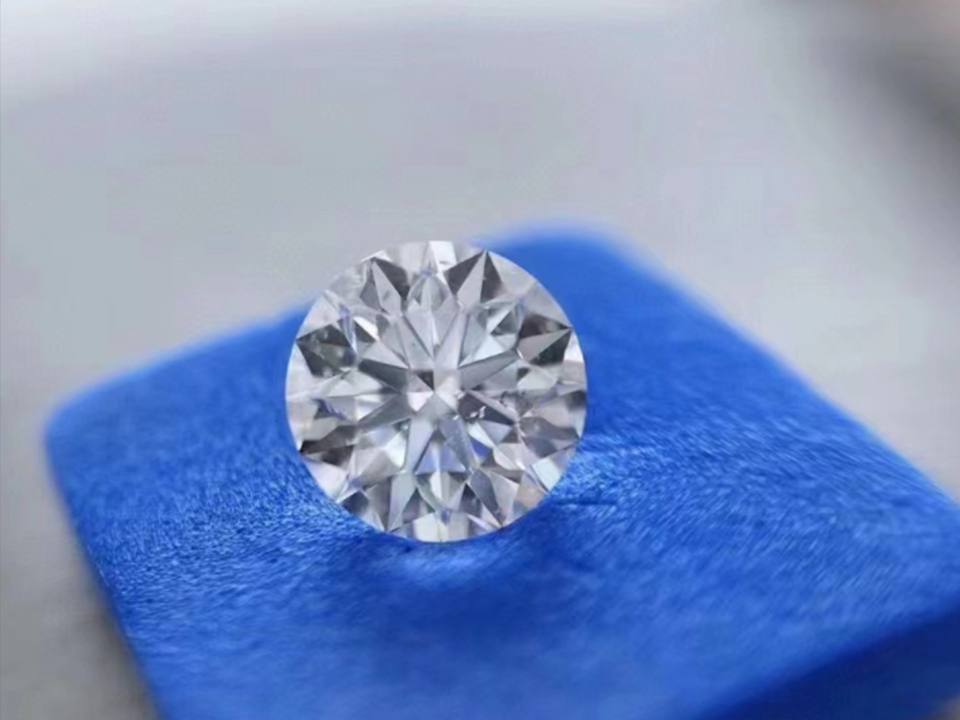
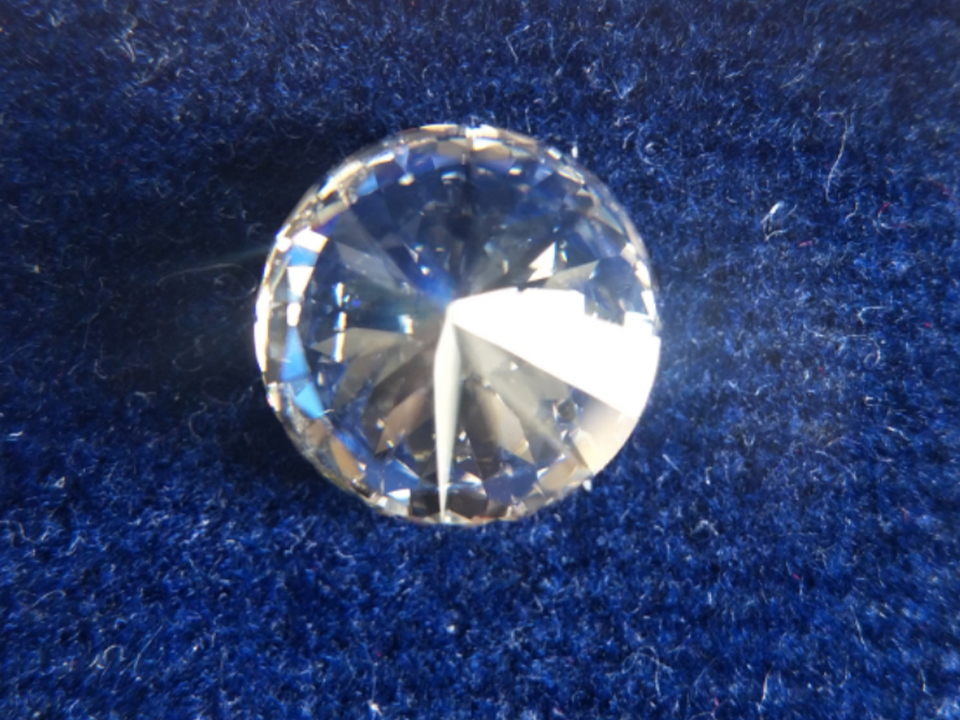
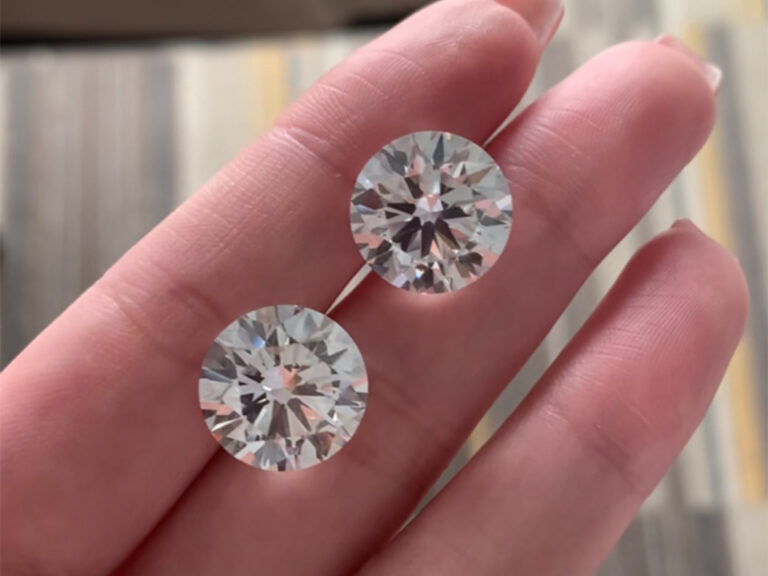
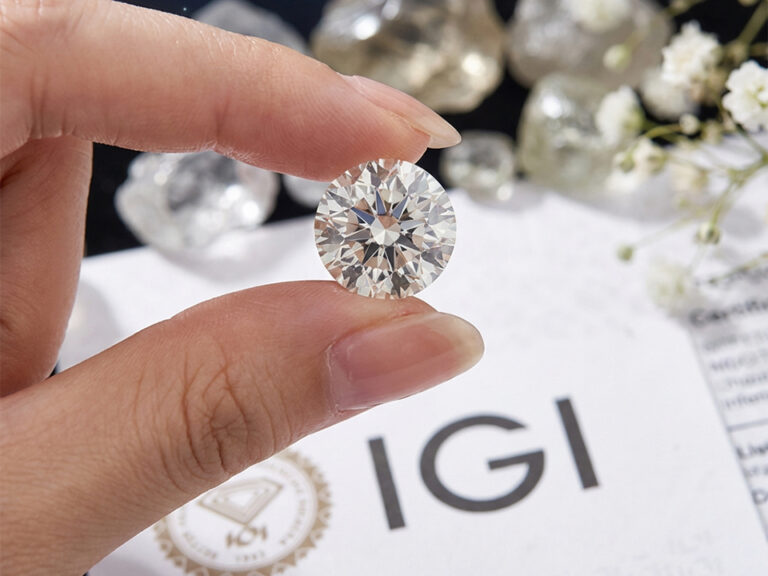
Lab-grown rubies consist of crystalline carbon and can possess basically the same optical, physical, and chemical residential or commercial properties as mined rubies, yet that fact does not assure that every stone, cut, therapy history, or mounting will certainly carry out just as under focused pressure.
Why does the trade keep complex firmness with invulnerability?
Since “Mohs 10” markets. Fracture auto mechanics does not.
I relate to that simplification as one of the jewelry industry’s most persistent technical failings. A diamond might stand up to scraping far better than any various other typical gems while still chipping at a pointed edge, cleaving after a badly routed impact, or damaging its very own placing after coming to be loosened.
The actual concern is not whether lab-grown diamonds are durable. It is whether a certain diamond, in a particular geometry, held by a particular setup, can endure the lots customers will position on it.
Lab-Grown Diamond Resilience: Firmness Is Just One-Third of the Tale
Treasure longevity has three separate components: hardness, strength, and security. Firmness actions resistance to scratching; toughness concerns resistance to damaging or breaking; stability explains resistance to heat, chemicals, and temperature level change. Diamond leads the Mohs firmness scale, yet it still has directional bosom planes along which an adequately concentrated influence can split the crystal.
That distinction issues.
A customer might put on a lab-grown diamond ring with years of common abrasion without noticeably scraping the stone, after that shed a corner after one crash with a granite countertop. The occasion really feels arbitrary. Mechanically, it is not.
Ruby’s carbon atoms are bound extra highly in some crystallographic directions than in others. A strike straightened with a weak cleavage direction can circulate an existing plume, nick, or subsurface flaw. GIA notes that such damage can occur throughout setting as well as during normal wear.
And there is an additional uneasy reality: a loose ruby can damage the precious metal holding it. Gradually, activity in between rock and setting might wear a prong from the inside, specifically where an informal aesthetic assessment is least most likely to capture it.
Hardness is not sturdiness. Anyone specifying fashion jewelry for requiring use has to quit treating those terms as interchangeable.
What Counts as a High-Stress Setting?
A high-stress setup is any kind of placing or wear condition that focuses pressure on a little part of the diamond, leaves a susceptible edge exposed, repetitively bends the surrounding metal, or topics the piece to impact, heat, vibration, or abrupt temperature level modification.
The noticeable instances include tension setups, shared-prong formats, extremely great pavé, revealed girdles, shallow seats, large rocks on thin shanks, and cuts with sharp points. Much less obvious instances include earrings used underneath headgears, rings used around health club equipment, necklaces subjected to workplace machinery, and jewelry that undergoes constant professional cleaning.
3 words: geometry controls failing.
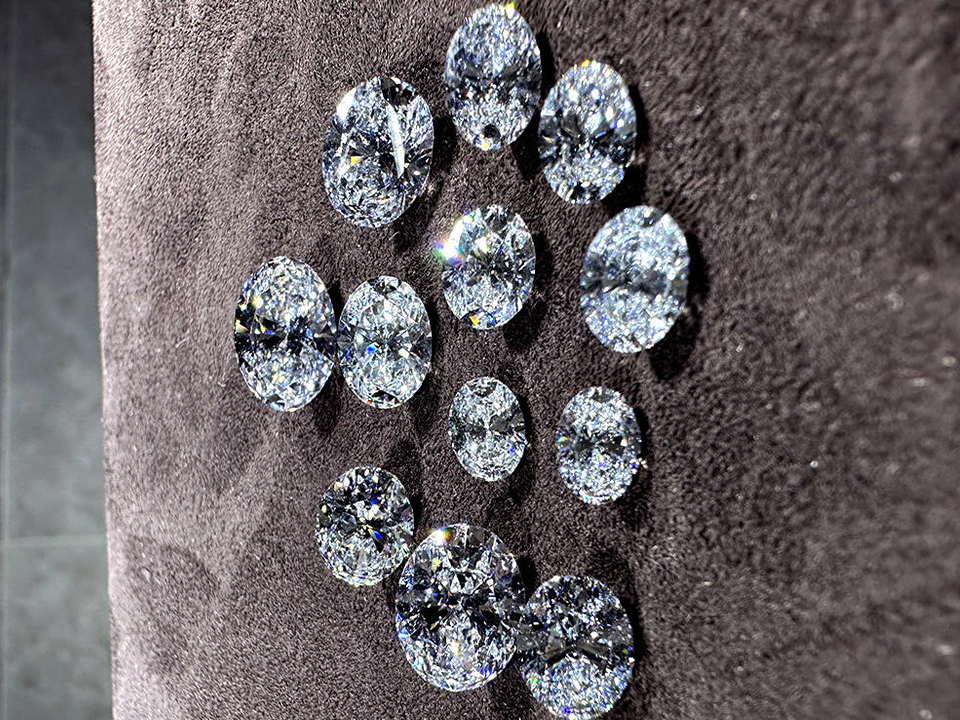
A round dazzling typically disperses get in touch with a lot more forgivingly than a princess cut with four exposed corners, while pear, marquise, heart, kite, and shield forms present points where regional stress can climb greatly unless the setup records and protects them.
Would certainly I place an undocumented pear-shaped lab-grown diamond with a plume near its idea into a revealed two-prong style?
No. Full stop.
A tension mounting deserves even more uncertainty. It intentionally applies continual pressure through minimal contact locations, so girdle problem, rock alignment, seat accuracy, metal elasticity, and installment force all issue. I would certainly turn down a tension-set specification unless the specific stone had been analyzed for band damages, edge-reaching inclusions, and unusual pressure.
CVD Diamond Defects and HPHT Ruby Inclusions Are Not the Same Problem
The two major development paths are chemical vapor deposition, or CVD, and high-pressure, high-temperature growth, or HPHT.
CVD development uses turned on hydrogen and hydrocarbon gases, frequently methane, over a ruby seed. GIA reports that hydrogen normally represents 90% to 99% of the gas mix since it suppresses graphite and other non-diamond carbon throughout growth.
HPHT growth takes a various course. A carbon resource, frequently graphite, is subjected to roughly 5– 6 GPa and 1,300– 1,600 ° C inside a capsule containing a metal change and ruby seed. Those conditions permit carbon to liquify and take shape onto the cooler seed.
The manufacturing method leaves trademarks.
Typically talked about CVD ruby problems consist of openings clusters, nitrogen-related problems, growth striations, non-diamond carbon, carbon nanoclusters, cut off development borders, and recurring stress. GIA has actually linked the grey look found in some older CVD production to non-diamond inclusions called carbon nanoclusters, although boosted development controls have made that product much less typical in present submissions.
CVD material is additionally often hardened after growth. GIA’s 2024 testimonial reported that approximately 80% of CVD rubies submitted given that 2020 revealed proof of post-growth handling, normally intended to minimize brown pigmentation connected with vacancy clusters or nitrogen-related flaws.
HPHT ruby additions more frequently include metal flux remnants, cracks around incorporations, growth-sector borders, or localized strain. High-grade anemic HPHT product usually shows weak pressure since pressure is used fairly evenly, but exceptions exist: GIA just recently examined 5 uncommon HPHT-grown stones consisting of both evident pressure and GR1 job problems.
Here is the hard truth: neither “CVD” nor “HPHT” is a resilience quality.
A well-grown, meticulously cut CVD ruby may be a much safer selection than an improperly screened HPHT rock. The opposite can likewise hold true. The danger follows flaw setting, pressure, reduced geometry, treatment background, and placing layout– not the marketing choice of the seller.
Synthetic Diamond Tension Testing: What the Proof Really Reveals
Direct mechanical testing of an ended up treasure is unpleasant for one obvious factor: a genuinely conclusive fracture examination damages or harms the product being tested.
So we work indirectly.
A historical NIST workshop record defined uniaxial screening on CVD ruby plate samplings more than 200 μm thick and estimated crack durability at about 5.3 MPa √ m. That figure is useful for recognizing fragile habits, however it is not a pass/fail requirements for faceted precious jewelry stones; the examination entailed engineered CVD plates, pre-crack geometry, recurring tension, and laboratory specimens instead of installed gems.
This distinction is consistently ignored.
The most helpful fashion jewelry controls are non-destructive screening techniques: darkfield microscopy, crossed-polarizer evaluation, high-resolution band imaging, fluorescence imaging, Fourier-transform infrared spectroscopy, photoluminescence spectroscopy, and careful mapping of inclusions versus prepared for setting calls.
None of these tools can guarantee that a diamond will certainly never ever damage. Together, however, they can reveal warning signs that a rating headline may hide.
A basic quality grade answers an appearance-based grading concern. It does not instantly inform a bench jewelry expert whether a plume converges the precise point where a prong will certainly be tightened up, whether stress is focused under an edge, or whether a treatment has actually changed the surfaces enough to require repolishing.
The 2024 GIA situation including a record-size CVD-grown ruby is useful. The rock was at first sent at 16.41 carat weights, later on returned after HPHT therapy at 15.73 carat weights, and revealed no adjustment in its G color or VVS2 clarity; GIA concluded that facet frosting and subsequent repolishing may have added to the 0.68-carat weight management.
Absolutely nothing ruined. Yet product was shed, refining background altered, and the designated shade enhancement did not appear.
That is a quality-control failing with a sleek surface area.
The Risk-Control Matrix
Danger
Regular trigger
Warning sign
Suggested control
Cleavage crack
Sharp effect lined up with a weak crystal direction
Plume, nick, or tooth cavity near a loaded edge
Deny or redesign the readying to relocate get in touch with far from the attribute
Factor chipping
Pressure on pear, marquise, princess, heart, or kite factors
Slim factor, subjected corner, shallow seat
Use V-prongs, safety bezels, halos, or strengthened edge style
Map band condition before establishing and control installation force
Recurring strain
Growth distortion, additions, multi-stage development, later therapy
Strange birefringence under gone across polarizers
Escalate for research laboratory review or decline for concentrated-load designs
Warm damage
Lantern direct exposure or sudden temperature level adjustment
Existing fracture, heavy inclusion, unclear therapy background
Remove the stone prior to high-heat repair whenever useful
Thermal shock
Sudden hot-to-cold transition
Fractures or bosoms already present
Prevent fast temperature level modifications and unrestrained vapor treatments
Setting wear
Loosened stone moving versus steel
Rattle, polished call marks, thinning prongs
Schedule inspection, tighten correctly, and restore used metal
Cleaning-related loosening
Ultrasonic resonance or vapor
Great pavé, used prongs, pre-existing looseness
Evaluate first; do not treat cleansing as mechanically safe
Disclosure failure
Selling an unqualified “ruby” or leaving out treatment background
Inconsistent invoice, record, product web page, or repair work record
Usage explicit laboratory-grown terminology and maintain traceability
GIA advises that ultrasonic and heavy steam cleansers can loosen up rocks, which is why professionals evaluate the piece prior to using them. It likewise positions ruby’s burning temperature level at roughly 850 ° C, a temperature that a jewelry expert’s lantern or building fire can reach.
But the table is not a replacement for judgment. A low-risk round rock can come to be high-risk in a terribly cut seat, while a sharp rock can execute well when its geometry is properly enclosed.
Lab-Grown Diamond Quality Control Before Setting
My recommended control system begins before the stone reaches the bench.
Initially, validate identification and therapy history. The record number, band engraving, provider billing, stone dimensions, development method, post-growth treatment, and inner stock document must concur. A simple thermal tester is insufficient; the FTC advises that some thermal testers can improperly identify moissanite as diamond.
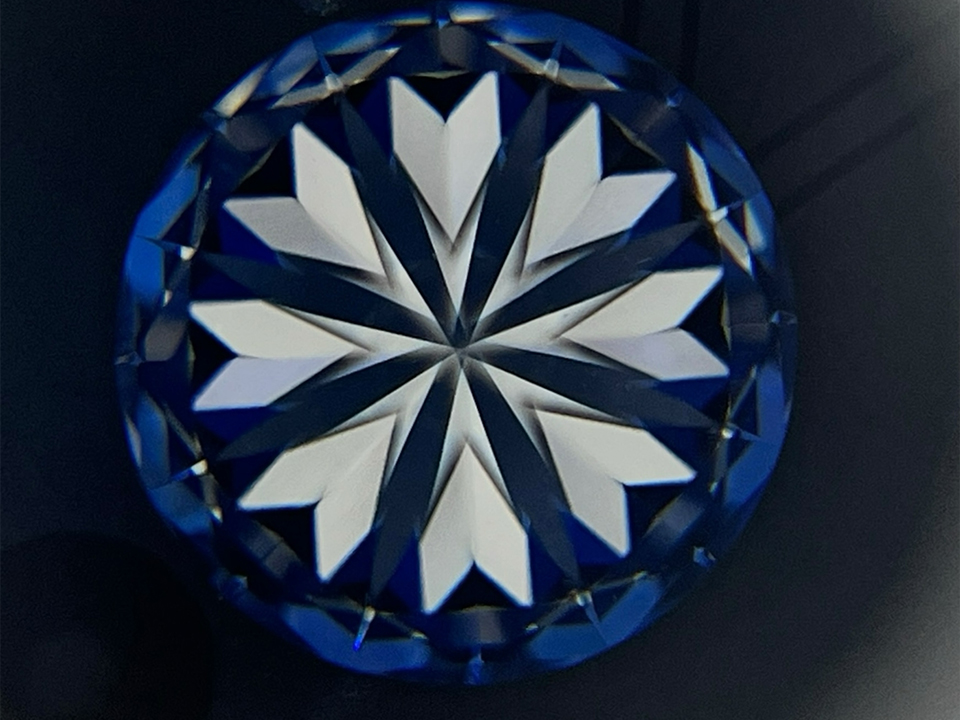
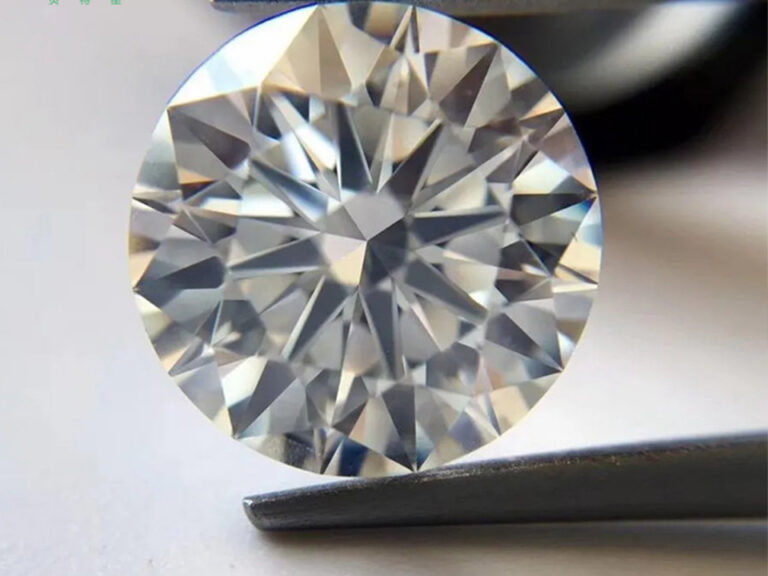
Second, check the crammed zones rather than admiring only the face-up view. I want a complete 360-degree evaluation of the band, points, corners, structure sides, plumes, cavities, naturals, contusions, and polishing marks.
Third, examine stress. Crossed polarizers will not evaluate fracture toughness, however articulated or irregular birefringence near a future contact point deserves acceleration. Spectroscopy and fluorescence imaging might make clear development beginning and therapy, although they remain recognition tools rather than direct stamina meters.
4th, match the mounting to the actual rock. The repeated geometric structure in a geometric sapphire 925 silver necklace shows just how surrounding metal can develop numerous visual and architectural limits. A similar lab-grown ruby layout need to use those boundaries deliberately, not merely decoratively.
Fifth, retain images. Before-and-after photographs of the girdle and setting get in touches with can distinguish pre-existing attributes from bench damage, reduce supplier disputes, and guide future repair.
This is not bureaucracy. It is evidence.
The industrial pressure to relocate stones faster is climbing. In August 2024, IGI applied for an Indian IPO well worth approximately 40 billion rupees– regarding $477 million– against what Reuters called thriving lab-grown ruby demand; IGI’s analysis placed India, China, and the United States at 74% of the worldwide precious jewelry market.
Scale amplifies process mistakes. It does not erase them.
Exactly How to avoid Lab-Grown Ruby Failure at the Bench
The setter must never ever be the very first individual to find a dangerous addition.
Beginning by cutting a precise seat. A prong that contacts only one high point creates localized pressure; a properly fitted seat spreads call over a controlled area. Much more force is not a remedy for inadequate fit.
Secure edges physically. Pear points need V-prongs or equivalent insurance coverage. Princess edges should have appropriate corner seats. Thin band sections must not become the place where a setter makes up for irregular metal.
Avoid levering against the diamond. Tighten up opposing get in touches with incrementally, observe the rock in between modifications, and stop when the rock is safe and secure instead of proceeding up until the metal appears aesthetically balanced.
Maintain heat background noticeable. A later repairer should recognize whether the stone is CVD, HPHT-grown, HPHT-treated, coated, fracture-filled, or accompanied by an additional gems that has lower warmth resistance. A piece such as an S925 four-leaf-clover lab-ruby necklace also shows why “laboratory-grown” disclosure must adhere to each appropriate stone with product pages, billings, product packaging, and repair work documents– not go away after the initial sale.
Inspect the finished piece under zoom. Look for fresh chips, displaced steel, unbalanced call, spaces beneath prongs, and movement under controlled probing.
And test the mounting, not the ruby. The goal is to confirm retention and metal integrity without staging an improvisated effect presentation that develops the very flaw the test allegedly seeks to spot.
The Legal Danger Is Often the Insurance claim, Not the Split
The FTC’s position is straight: sellers ought to explain laboratory-created diamonds with a clear qualifier such as “laboratory-grown” or “laboratory-created,” put quickly before “ruby” and presented conspicuously adequate to connect that the stone is not extracted. The firm likewise says those terms should not be made use of unless the item has basically the same optical, physical, and chemical properties as extracted ruby.
That creates two separate compliance responsibilities.
The first is identity disclosure. “Diamond” on its own wants when the product is laboratory-grown.
The second is therapy disclosure. FTC support states sellers should disclose therapies that are non-permanent, require unique care, or significantly influence worth, even when the therapy itself is irreversible.
In practical terms, the item summary, rating report, wholesale memo, invoice, treatment card, and repair service intake record should inform the very same story.
I would use the same discipline throughout mixed gemstone collections. Whether the style is a natural gems silver floral pendant necklace or a laboratory-grown diamond ring, vague stone naming produces avoidable business and lawful exposure.
Consumers forgive technical limits quicker than hidden information.
A Procurement Spec That Really Works
For the very best lab-grown diamonds for high-stress applications, I would certainly require an investing in requirements that covers more than the 4Cs:
Confirmed laboratory-grown identity and development technique
Tape-recorded post-growth treatment status
No considerable edge-reaching feather, tooth cavity, or crack in a loaded zone
Appropriate girdle thickness at every recommended call factor
No inexplicable pressure focus near points or corners
High-resolution loose-stone photos preserved with the lot record
Setting style approved for the details cut and dimensions
Bench evaluation recorded prior to and after installing
Finished-piece retention and prong-contact examination
Written care and repair service directions provided downstream
Price should come last.
The 2024 GIA review reported that CVD entries currently dominate its laboratory-grown consumption, that a lot of CVD stones sent today go beyond 3 carat weights, which a 75.33-carat emerald cut announced in May 2024 had actually come to be the record-size faceted CVD-grown ruby. It also discovered that more than 90% of HPHT-grown intake throughout 2021– 2023 was colorless.
Larger and cleaner-looking product is no more outstanding.
That makes mechanical testing more vital, not much less. When supply broadens and prices compress, the incentive is to grade much faster, install quicker, and offer larger. Those are commercial truths. They are not engineering controls.
Regularly Asked Questions
Are lab-grown rubies durable under stress?
Lab-grown diamonds are durable under stress when the rock is without edge-threatening problems, the load is dispersed through a well-cut seat, and vulnerable points are safeguarded, however they are not impact-proof because ruby remains a brittle crystal with bosom instructions that can open up under a concentrated strike.
Stress setups and exposed sharp cuts need the highest possible analysis. Growth approach alone can not identify suitability; examine the girdle, additions, pressure pattern, cut geometry, treatment history, and suggested get in touch with zones.
What causes CVD diamond problems?
CVD diamond flaws are growth-related abnormalities– such as openings collections, nitrogen-associated centers, carbon nanoclusters, pressure, or non-diamond carbon– that occur when plasma chemistry, temperature, gas purity, seed orientation, or multi-stage development problems vary, and some flaws might remain after post-growth HPHT or LPHT annealing.
Several flaws affect color or identification greater than mechanical efficiency. The worry climbs when an issue converges the girdle, gets to the surface, lies beneath a pointed corner, or produces concentrated stress near a setting call.
Are HPHT ruby incorporations extra unsafe than CVD problems?
HPHT additions are not immediately harmful; threat depends on their product, dimension, placement, surrounding stress area, and closeness to the girdle or a pointed corner, due to the fact that an inclusion hidden safely under the table may be harmless while the very same attribute near a packed edge can come to be a split starter.
HPHT rocks often have high crystalline perfection, however metallic residues, splits, or rare stretched sectors still call for assessment. CVD stones present a different flaw populace, so neither procedure receives an automatic safety benefit.
How can makers avoid lab-grown ruby failing?
Protect against lab-grown ruby failure by screening the loose rock for edge-reaching inclusions and stress, matching the cut to a safety setup, managing bench force and warmth, inspecting prong get in touch with after setting up, and videotaping the development approach and post-growth treatment so later repair work starts with precise details.
The best program combines distributor certification, incoming evaluation, stone-specific setup approval, setter training, magnified post-setting checks, batch traceability, and routine finished-product audits.
What are the most effective lab-grown diamonds for high-stress applications?
The best lab-grown diamonds for high-stress applications are not specified by CVD or HPHT alone; they are stones with tidy bands, shielded edges, reduced evident pressure, no substantial plumes or incorporations in packed zones, validated treatment background, and a setup engineered to spread pressure rather than focus it.
Round brilliants and clipped-corner cuts might offer even more forgiving geometries, however also they can stop working in bad mountings. A meticulously evaluated pointed rock in a protective bezel may outperform an allegedly more secure round stone held by harmed or severely fitted prongs.
Construct for Misuse, Not Pamphlet Language
Lab-grown rubies deserve severe engineering since they are real diamonds– not since they are unbreakable.
Specify the growth method. Record therapies. Inspect packed zones. Shield the factors. Control bench force. Maintain traceability.
And before approving a high-stress layout for wholesale manufacturing, request a stone-and-setting threat review based upon the real cut, measurements, metal, wear pattern, and repair work direct exposure. The most inexpensive failing is the one gotten rid of from the illustration before it reaches the client.