Looking for a reliable jewelry manufacturer for your next collection? Sunsmerald Jewelry specializes in custom jewelry design, wholesale production, and professional manufacturing solutions for global brands, retailers, and distributors. Share your jewelry requirements with us, including product styles, materials, gemstone preferences, order quantities, and delivery expectations.
We need to talk about failure. Not consumer failure, your failing. The kind that appears six months after distribution, when a seller returns an entire batch of “environment-friendly” lab stones since the pavé looks like static under a loupe and the brand name is quietly consuming a six‑figure loss.
I’ve sat in a lot of back rooms where lab-grown diamond problems were treated like “edge situations” instead of systemic high quality signals, while marketing shouted sustainability and price and silently ignored metal inclusions, growth striations, and shade zoning that any half-awake grader would certainly catch in 30 seconds. According to a current GIA update on laboratory‑grown diamonds, CVD items in industrial quantity show unique development patterns and additions that call for dedicated recognition and QC methods, not simply copy‑pasted all-natural diamond workflows, and overlooking this is specifically just how you wind up with mad distributors and warranty disorder. So, let’s go through what really fails inside HPHT and CVD manufacturing, exactly how those defects slide through your procedure, and why some groups are quietly pressing moissanite or timeless natural H‑color ruby chains as the “secure stock” while the lab‑grown pipe matures.
The genuine search intent behind “lab-grown diamond flaws”
People inputting “lab-grown ruby issues” are not dream‑shopping for interaction rings. They’re repairing. They’re either:
QC or sourcing personnel attempting to comprehend reoccuring quality or color issues in current shipments.
Retail buyers contrasting lab-grown vs natural vs moissanite based on threat, not simply cost.
Owners or supervisors that simply discovered their “excellent” parcel has noticeable metal flecks or strange tints in daylight.
This is informational intent with a commercial touch: they desire tough detail on defect types, HPHT vs CVD risk profiles, and useful evaluation approaches that minimize returns and restore rely on the group. When I see teams quietly cushioning their assortments with moissanite tennis chains or zircon chains as lower‑risk, higher‑predictability choices, I know they have actually already been shed once by negative lab-grown QC.
HPHT vs CVD: different development, various issue account
Brief variation? Different devices, different troubles.
HPHT (High Stress Heat) simulates deep earth problems making use of steel catalysts, which is why HPHT laboratory rubies so frequently included metal incorporations, pressure patterns, and color zoning that can be concealed at first but appear under cross‑polarized light or with fundamental ruby testers. CVD (Chemical Vapor Deposition) expands diamond layer by layer in a concentration camp, usually causing less metal additions however a higher threat of development striations, brown or grayish colors, and non‑diamond carbon inclusions if the procedure or post‑growth therapy is careless.
GIA’s long‑term information on CVD synthetics reveals consistent patterns: distinctive development structures, periodic shade instability under exposure, and incorporations that act very in different ways from a lot of all-natural rocks, which suggests your QC playbook must hard‑separate HPHT vs CVD checks instead of pretending “lab-grown is lab-grown.” If your spec sheets do not even tape-record whether a parcel is HPHT or CVD, you’re already behind; you’re grading blind while your rivals quietly work out different issue resistances and rates tiers by growth approach.
Usual lab-grown ruby problems your QC group is probably undervaluing
Some of these flaws eliminate just high-jewelry items; others damage mass‑market supply. Every one of them matter.
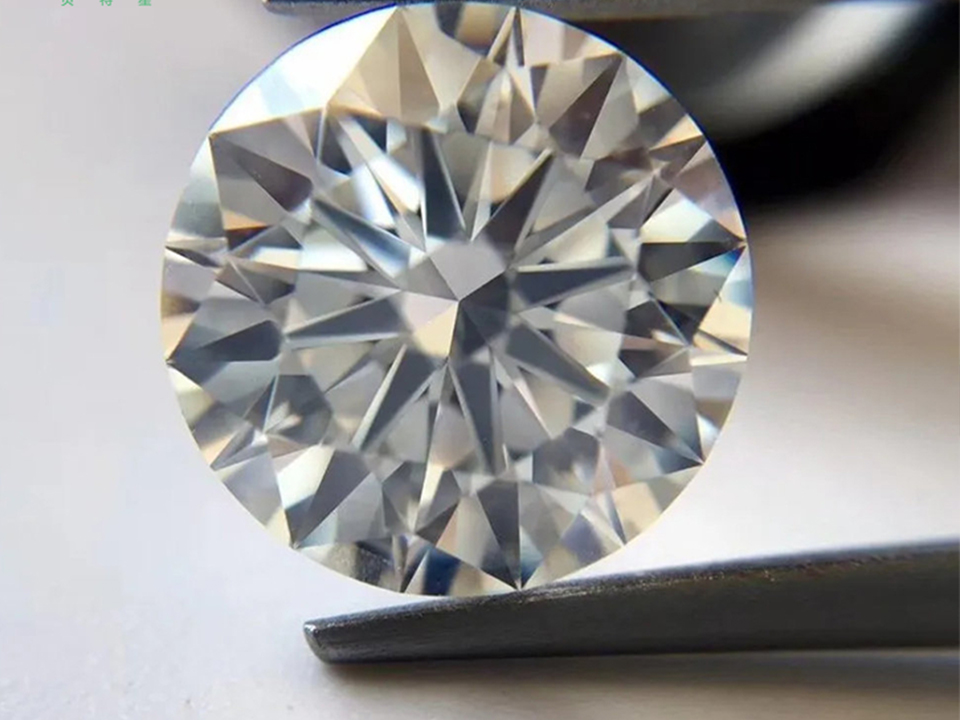
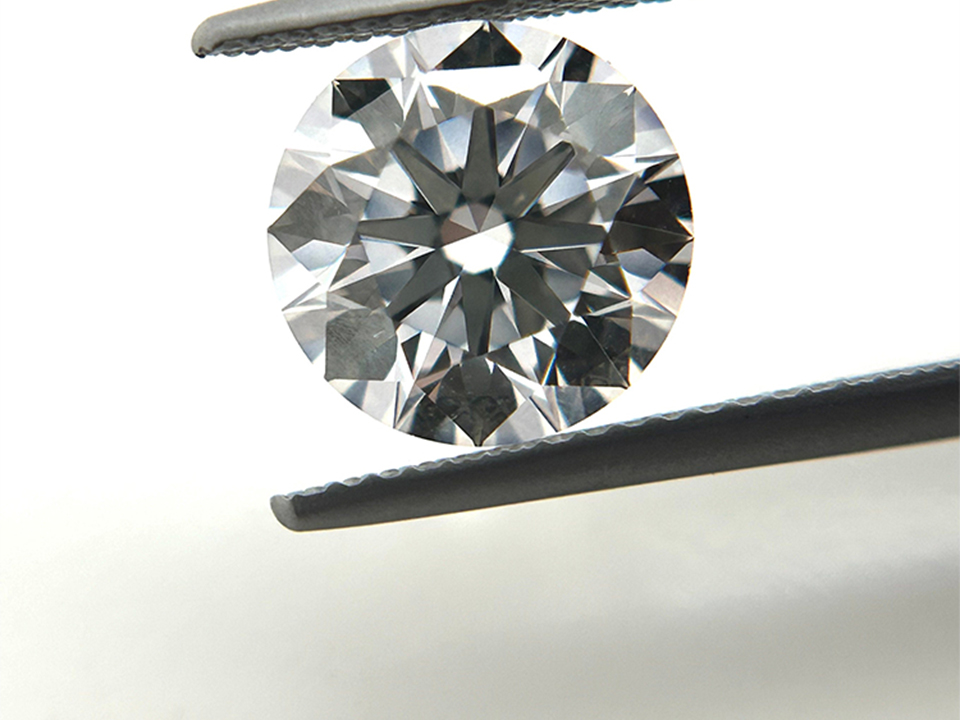
Metallic incorporations (HPHT)— Tiny, reflective steel fragments from catalysts or change that produce high reflectivity factors, hinder cutting, and can create problems with some testers. These typically show up as “sparkling dust” in the structure under 10x– 20x, and much less knowledgeable graders misinterpreted them as safe shimmer.
Graphitic and non-diamond carbon inclusions (CVD)— Dark, typically irregular additions classified as “development residues” that can associate development sectors and produce visible dark zones in particular angles.
Development striations and banding— Particularly in CVD, you see visible banding under magnification or cross‑polarized light that can show up as irregular radiance across the table, specifically on larger stones.
Stress and birefringence patterns— Both HPHT and CVD can bring substantial interior stress, visible as cross‑hatched or mosaic anxiety patterns; this doesn’t just look poor in records, it can impact resilience in extreme setups or micro‑pavé.
Color zoning and tint drift— Rocks that quality near-colorless in laboratory conditions yet show green or brownish undertones in daytime or LED shop lighting, resulting in customer problems regarding “filthy white” or “beige” rubies.
Clarity over‑grading vs reality— There is a growing detach in between some lab‑grown certifications and on‑hand visual efficiency; a “VS” CVD rock with noticeable development residues across the table is not really a VS in the mind of a retail customer.
I’ve seen brands quietly press consumers towards traditional natural H-color round‑chain items when they can not guarantee constant color in lab-grown products at range, since the return and grading consistency on extracted rocks are still extra foreseeable in some dimension arrays. That belongs to why GIA is relocating to a simplified “Premium/Standard/no grade” model for lab-grown rubies as opposed to pretending they comply with the very same hyper‑granular clarity/color grid that makes good sense for natural rocks.
Why “all-natural QC guidelines” stop working on synthetic diamond issues
Right here’s the catch: most QC teams I speak to apply a slightly tweaked natural-diamond list to lab-grown stones, after that act stunned when returns spike.
All-natural rubies developed under chaotic geological conditions and provide a mix of inclusions (crystals, feathers, pinpoints) that grading labs have years of playbooks for; lab-grown stones, by comparison, repeat particular artificial trademarks– metallic flux in HPHT, growth residues and industry zoning in CVD– that standard natural‑oriented grading process frequently under‑detect. According to GIA’s ongoing synthetic ruby study, the analytical distribution of issue enters CVD goods varies sharply from all-natural stones, which is specifically why they bought distinctive identification and testing procedures rather than treating them as “just one more diamond.”
When your QC guidebook spends a lot more pages on naturals and gives lab-grown a 2‑page appendix, you get foreseeable outcomes: “eye‑clean” rocks with harsh growth bands under LED, parcels where 20 percent of melee shows color drift in mixed lights, and sellers that begin insisting on their very own third‑party checks or moving their spending plan right into dependable simulants like moissanite chains and zircon fashion lockets that act constantly lot after great deal.
Practical evaluation process: exactly how to identify lab-grown diamond defects prior to they deliver
Let’s chat process, not concept.
A severe lab-grown QC pipeline starts with partition: log, tag, and literally different HPHT vs CVD from the moment goods struck the bench, since your flaw assumptions and rejection requirements differ by procedure. For HPHT parcels, you focus on looking for metal additions with greater magnifying (20x where feasible), dark‑field illumination, and cross‑polarized filters to capture strain and zoning that are unnoticeable in quick 10x passes. For CVD, you lean right into mapping development banding, non‑diamond carbon inclusions, and color actions under a minimum of 2 lighting spectra (daylight‑equivalent 5000– 6500 K and warmer 3000– 3500 K retail lighting) to identify rocks that “change unclean” in genuine shops.
Screening instruments matter, yet over‑relying on them is how defects slide through. GIA and other labs stress that recognition systems for synthetics are designed to flag beginning and wide top quality, not to change skilled graders methodically searching process‑specific problems throughout manufacturing sets. If your QC procedure finishes with “passed the machine,” you’re refraining from doing quality assurance, you’re doing plausible deniability. And of course, that’s exactly how mixed parcels of bothersome lab-grown rocks wind up set alongside impeccably reduce moissanite pendants or zircon chain lockets that were acquired primarily because “at the very least they’re foreseeable.”
HPHT vs CVD problems: what they in fact look like in the pipe
From a range, all lab-grown advertising and marketing looks the exact same. Under a loupe, the production tale is written in issues.
HPHT rocks typically present as intense and lively in the beginning glimpse, once you start taking cross‑sectional looks under higher magnification, you’ll see reflective additions aligned with development facilities, plus strong stress patterns that look like dark cross or bow shapes under cross‑polarized filters. CVD stones, on the various other hand, tend to have cleaner metal profiles but show layer‑like development, banding, and non‑diamond incorporations that can boring brilliance or produce “dead zones” in the face‑up sight on bigger rocks; GIA’s long‑term CVD research study has actually consistently recorded these architectural attributes as process signatures.
These aren’t academic inquisitiveness. A 1.50 ct “near‑colorless” CVD stone with dark industry banding across the table will certainly get slaughtered in side‑by‑side comparison versus a smaller but tidy all-natural or even a high‑end moissanite facility, due to the fact that the human eye is extremely unforgiving of systematic plain spots. That’s one reason, in mid‑tier collections, you’ll see some brands reserve lab-grown for halo or accent settings while counting on natural H‑color ruby chains or moissanite centerpieces in the exact same catalog to bring the viewed top quality halo of the line.
Qualification, rating drift, and why GIA is altering the rules
If you’re still dealing with certifications as scripture, you’re playing 2015’s game in 2026.
GIA has currently signified that lab-grown diamonds do not fit cleanly right into the tradition grading grid by terminating typical lab-grown records and transferring to a “Laboratory‑Grown Diamond High Quality Assessment” that classifies rocks as “Costs,” “Standard,” or ungraded, with prices starting around 15 USD per carat weight and a fundamental 5 USD cost when no grade is appointed. To qualify as Premium, lab-grown stones have to reportedly strike D color, VVS quality or much better, and excellent cut and finish metrics, while Requirement covers a more comprehensive E– J color and VS quality with excellent coating; anything weak doesn’t obtain a formal grade in any way.
This is not a minor documentation modification; it’s a message that the market requires less complex, more sensible labels that acknowledge just how variable lab-grown production can be contrasted to mature natural pipelines. If your brand name is still appealing “ideal” or “incredibly perfect” lab-grown across the board while silently handling batches that would not even get approved for a Basic grade, you’re developing lawful and reputational direct exposure that will strike you the very first time a significant retailer audits your supply versus GIA‑style benchmarks.
When flaws meet disclosure: legal and governing pressure
The ruby market currently has a background of regulators actioning in when marketing blurs the lines, and lab-grown is right because crosshair.
The United State Federal Profession Compensation has repetitively advised that merely calling an item a “diamond” without qualifiers is misleading when it’s lab‑grown, insisting on descriptors like “laboratory‑grown” or “laboratory‑created” and calling for clear, obvious disclosure when goods are not extracted rocks. In 2019, industry protection of FTC enforcement actions highlighted that some artificial ruby sellers were purposely lessening or covering the distinction, which the FTC identified as potential incorrect marketing, a position that brings straight significance when you’re over‑hyping lab‑grown top quality or hiding known problem patterns.
Much more just recently, profession bodies such as India’s Treasure & & Jewelry Export Promotion Council have actually formally adopted these FTC standards, reinforcing that worldwide providers have to clearly label synthetic rubies and prevent unclear terms that can mislead buyers, consisting of on rated high quality and performance expectations. Integrate that with the progressing GIA lab-grown structures, and you have a simple takeaway: if your QC data shows non‑trivial defect rates and you’re not readjusting your sales language, you are building a future court exhibit.
Why some brands hedge with moissanite, zircon, and natural chains
Allow’s be sincere: a great deal of “lab-grown very first” advertising and marketing is quietly supported by a safety net of conventional and simulant items that are simpler to control.
Moissanite, with its silicon carbide structure and trustworthy optical buildings, supplies very consistent sparkle and color throughout production sets, which is why you see brand names leaning right into moissanite tennis chains and heart‑design moissanite silver chains as lower‑risk quantity items when they’re still duke it outing lab-grown defect variability. Zircon style chain lockets, though essentially a various product, likewise supply foreseeable performance in terms of cut, color, and consumer assumption when marketed honestly as zircon, not ruby; they don’t stun you with metallic flecks or growth bands since the vendor patterns are mature. For eminence positioning or traditional clients, some teams are still anchoring collections with natural H‑color diamond chains in 18K gold, approving the higher expense for rating security and long‑term reputational safety and security.
That mix– lab-grown for marketing, moissanite and zircon for secure quantity, all-natural for prestige– isn’t random; it’s a direct response to the issue and QC realities we’re talking about here. If your array preparation doesn’t explicitly account for lab-grown problem danger by group and growth approach, you’re leaving both margin and brand equity on the table while your even more sincere rivals silently rebalance toward SKUs they recognize will not return in a wave of returns.
Data photo: HPHT vs CVD defect threat and QC facts
Below is a simplified photo of how HPHT and CVD issues often tend to turn up in real QC settings based upon present laboratory and profession observations.
Frequently asked questions: lab-grown ruby defects and QC
What are the most usual lab-grown ruby issues QC groups should watch for?
One of the most common lab-grown diamond problems QC groups ought to look for are metal additions in HPHT stones, graphitic or non‑diamond carbon incorporations in CVD stones, growth banding, internal stress patterns, and shade zoning that creates noticeable color changes in real‑world illumination. HPHT development often presents steel flux fragments and strong pressure that look like reflective flecks or cross‑shaped stress and anxiety fields under cross‑polarized light, while CVD growth tends to produce layer‑like banding and dark “development residues” that can plain radiance and produce dead areas across the table. QC groups that count only on 10x fast checks and generic natural‑oriented lists constantly under‑capture these synthetic‑specific concerns and push the danger downstream to merchants and end customers.
Exactly how can a QC laboratory accurately identify HPHT vs CVD lab-grown diamond defects?
A QC laboratory can dependably recognize HPHT vs CVD lab-grown ruby flaws by first setting apart stones by stated growth technique and after that applying targeted assessments for each process, including higher‑magnification microscopy, cross‑polarized imaging, and multi‑spectrum lights examinations. HPHT stones are looked for metallic inclusions, strong pressure fields, and characteristic growth functions, while CVD rocks are checked out for banded growth frameworks, graphitic inclusions, and color instability, building on released research from laboratories like GIA that records normal artificial trademarks for each and every method. Incorporating instrument‑based origin screening with experienced human grading makes certain that subtle however commercially essential defects are not missed in set evaluations.
Are lab-grown ruby problems even worse than all-natural ruby inclusions?
Lab-grown ruby defects are not naturally “worse” than all-natural incorporations, however they are different in kind, pattern, and commercial impact, and they usually encounter consumer assumptions created by simplified advertising. Natural diamonds might carry plumes, crystals, or clouds that graders have years of experience modeling within worth structures, whereas lab-grown items reveal repeating synthetic functions like metal flux, growth remnants, and banding that can produce even more methodical face‑up issues across whole batches otherwise effectively managed. When retailers or brand names oversell lab-grown as “best” while delivering rocks with noticeable growth‑related issues, the resulting trust fund void can be much more damaging than the problems themselves.
How are rating laboratories like GIA changing exactly how they assess lab-grown diamond quality?
Grading laboratories like GIA are changing just how they evaluate lab-grown diamond quality by deserting standard full‑grid grading records for synthetics and changing them with simplified quality evaluations that classify rocks right into wide groups such as “Premium” or “Criterion” as opposed to designating details shade and clearness combinations. Under this system, just lab-grown rubies satisfying stringent thresholds– such as D shade, VVS clarity, and exceptional cut and surface– qualify as Premium, while others come under the Basic range or obtain no quality at all, with costs around 15 USD per carat weight or a reduced flat cost when no grade is provided. This marks an explicit acknowledgment that lab-grown production shows distinct problem and irregularity patterns calling for various, much more market‑practical labeling than the heritage structures developed for natural stones.
What should a durable lab-grown ruby QC procedure include in 2026?
A durable lab-grown diamond QC protocol in 2026 ought to include specific HPHT vs CVD partition, process‑specific problem lists, cross‑polarized and multi‑spectrum illumination evaluations, and periodic third‑party lab validation straightened with updated structures such as GIA’s Premium/Standard assessments. QC teams require documented denial limits for metal additions, development remnants, strain patterns, banding, and color zoning, paired with sampling plans scaled to great deal size and value, as well as clear feedback loopholes to providers when flaw rates surpass concurred tolerances. Brands that incorporate this with honest product placing– occasionally balancing lab-grown supply with moissanite, zircon, or all-natural ruby lines for stability– will certainly take fewer shocks and hold tighter margins over the following cycle.
Your next move as a QC or sourcing lead
If you’re major about this, your next step is not a motto; it’s a treatment.
Audit your present lab-grown pipeline utilizing a little however statistically purposeful example: separate HPHT and CVD, use appropriate zoom and cross‑polarized checks, and file actual issue frequencies, not what your distributor’s PDF states. After that, change your specs, your agreements, and your assortments– perhaps that suggests tightening lab-grown resistances on hero pieces while leaning a lot more on secure moissanite or zircon chains for quantity, or anchoring vital lines with natural H‑color diamond chains where long‑term reputational threat is non‑negotiable. If you overlook what your own microscopic lens are screaming, the market will do the grading for you– and it will not be gentle.