Looking for a reliable jewelry manufacturer for your next collection? Sunsmerald Jewelry specializes in custom jewelry design, wholesale production, and professional manufacturing solutions for global brands, retailers, and distributors. Share your jewelry requirements with us, including product styles, materials, gemstone preferences, order quantities, and delivery expectations.
Planning Product Mix: Lab-Grown vs Natural Gem Silver
A lab-grown rock may create a handsome percentage margin on paper, yet still come to be pricey stock when contending suppliers decrease substitute expenses, markets reset consumer cost assumptions, and retailers are required to discount rate visually comparable supply bought 6 months previously.
So which rock is in fact safer?
That is the wrong concern.
The real commercial concern behind lab-grown vs all-natural gems is this: what job must each SKU execute inside the collection? Acquisition pieces, giftable core items, bridal designs, restricted releases and provenance-led premium fashion jewelry need to not lug the very same rock technique.
I would certainly not develop a significant silver program around an ideological debate concerning what is “genuine.” Both categories are real industrial products. They simply create different acquiring psychology, inventory exposure and prices power.
The difficult truth is that a 50/50 variety split typically reflects indecisiveness, not strategy.
Lab-Grown vs Natural Gems Is a Profile Decision
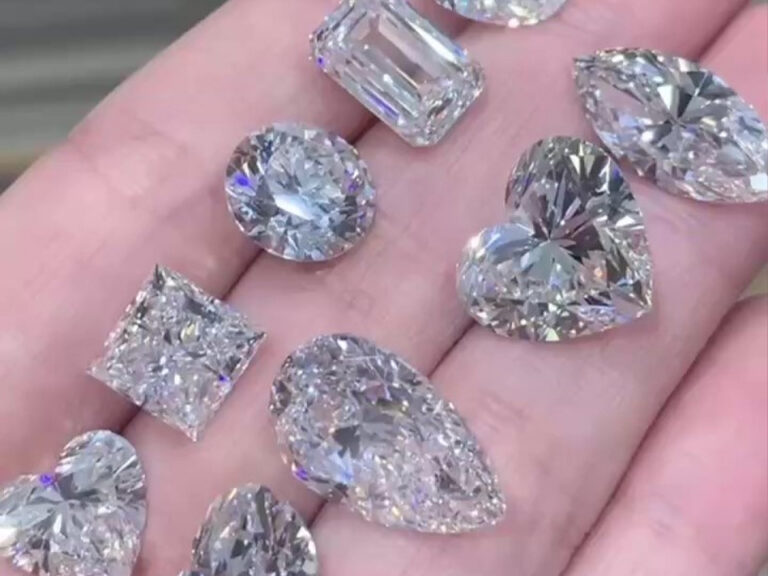
Lab-grown gemstones are developed under controlled conditions yet can share virtually all chemical, physical and optical properties with their all-natural equivalents. GIA identifies these materials from imitations such as cubic zirconia, glass or synthetic moissanite, which might look like an additional treasure without sharing its structure.
That distinction matters commercially.
A laboratory-grown sapphire is sapphire. A cubic zirconia pretending to be a diamond is a simulant. These items require various summaries, cost reasoning and client expectations.
For a sterling silver gemstone fashion jewelry collection, I divide the array right into three financial duties:
Traffic items produce instant aesthetic value. Buyers see a big, tidy, highly colored rock at an accessible price. Lab-grown ruby, laboratory-created sapphire, artificial ruby and artificial spinel work well right here since consistency supports repeat manufacturing.
Core items produce reputable volume without relying on severe discounting. All-natural amethyst, garnet, blue topaz, peridot, citrine and picked aquamarine can give these items well-known shade, gift charm and convenient material costs.
Authority items establish reputation. Natural sapphire, ruby, emerald, unique tourmaline and traceable regional rocks belong here, but quantities must be managed. Their industrial function is not simply system volume; they make the rest of the collection really feel even more legit.
All-natural does not automatically imply premium.
A badly reduced, heavily dealt with, weakly tinted natural rock can be much less preferable than a well-cut laboratory-created rock with self-displined color matching. Merchants shed money when the sourcing department acquisitions geological origin while the client is evaluating beauty.
What the 2024 Market Proof Really Says
The marketplace evidence does not sustain the claim that lab-grown fashion jewelry is a passing novelty.
Pandora reported an 11% increase in first-quarter 2024 sales to roughly DKK 6.8 billion, while United States sales climbed 9%. The business especially claimed its North American growth right into lab-grown ruby precious jewelry drew in rate of interest and assisted stimulate demand across its wider item array.
That is a crucial study. Lab-grown gems do not have to exist as a separated classification; they can work as customer-acquisition items that introduce customers to chains, charms, jewelry and complementary silver pieces.
However the supply side informs a less comfortable story.
Laboratory-grown diamond ability can expand quicker than all-natural supply. That indicates replacement costs might drop while existing inventory continues to be on the store’s annual report. The consumer advantages. The seller holding old supply might not.
Price compression is actual.
The natural ruby market lugs a different kind of danger. In May 2024, Reuters reported that Botswana was preparing a $6 billion extension of the Jwaneng mine while confronting competitors from lower-priced laboratory-grown rocks. Diamond profits represented roughly 40% of Botswana’s federal government income and 75% of its foreign-exchange revenues, illustrating how deeply natural ruby prices is connected to mining economies and nationwide plan.
This is why easy sustainability mottos are insufficient. All-natural mining has ecological and social prices, yet it additionally sustains work, facilities and public income in producing countries. Lab production stays clear of mining yet may eat considerable power.
An Associated Press evaluation reported that lab-grown ruby sales increased 16% in 2023, while also finding that ecological insurance claims varied sharply according to production area and energy source; factories making use of coal-heavy power do not bring the exact same discharges profile as centers powered by renewable resource.
“Lab-grown” defines origin. It does not immediately verify reduced carbon exhausts.
The technological separation is additionally coming to be more advanced. A 2024 GIA evaluation found that the majority of natural rubies in the D-to-N color variety are kind Ia, while anemic laboratory-grown rubies are type II, giving a helpful basis for professional screening. Identification still calls for proper instruments and competence since visual assessment alone is undependable.
What does that mean for a customer?
Documents matters much more, not less.
Build the Gems Product Mix by Client Work
A successful gemstone item mix begins with customer intent instead of a checklist of offered stones.
Easily accessible aesthetic effect
Usage lab-grown rocks where the consumer desires size, sparkle and shade precision.
This classification suits:
Statement jewelry
Tennis-style arm bands
Halo necklaces
Alcoholic drink rings
Anniversary presents
Fashion-led wedding choices
Lab-grown ruby does specifically well when the design depends on duplicated matched stones. Natural melee can present color, clearness and size variation that ends up being difficult to control across big production runs.
For tinted stones, laboratory-created corundum supplies steady access to filled ruby-red and sapphire-blue material. Yet do not transform every item into a perfect, extra-large stone. Extreme perfection can make an item appearance artificial also when the material is practically real laboratory-grown gems.
Commercial realistic look offers.
Giftable all-natural color
All-natural purple, garnet, citrine, peridot and blue topaz provide silver jewelry a recognizable gems story without requiring the market price right into fine-jewelry area.
These stones function well for:
Birthstone collections
Mommy’s Day precious jewelry
College graduation gifts
Stackable rings
Tiny necklaces
Personalized charms
All-natural variant needs to be regulated, not removed. A practical level of tonal distinction strengthens the beginning tale. Extreme mismatch, over cast material and dead cutting simply look like low quality.
Costs scarcity and provenance
Natural sapphire, emerald, ruby, aquamarine and uncommon tourmaline need to be acquired more selectively.
Use them for restricted releases, larger facility rocks, accredited pieces and editorial layouts. These items require better digital photography, therapy disclosure and experienced sales personnel. Or else, the purchaser sees a little colored rock in silver and questions the price.
This is where many brand names fail. They spend a lot more on material but connect nothing past the gemstone name.
Recommended Opening-Buy Allotment
The adhering to version is an opening structure for a mid-market sterling silver brand, not a global sector benchmark. I would utilize it for an initial collection prior to readjusting quantities with actual sell-through information.
The crucial crookedness is calculated: laboratory-grown products get even more systems than SKU variety, while costs natural gems obtain even more storytelling area than inventory deepness.
Do deny every option deeply.
A laboratory-grown oblong necklace could be worthy of 200 units throughout 2 surfaces. A natural emerald ring might be worthy of 20 devices throughout 5 sizes. SKU count and system count are not the very same choice.
And never make use of a flat markup across the whole collection. Lab-grown rocks need to be valued around style, workmanship, establishing security and existing substitute expense. Natural rocks can sustain higher gross earnings dollars when provenance, therapy condition and noticeable top quality are documented.
Ideal Gems for Silver Precious Jewelry: Resilience Prior To Romance
Sterling silver is an alloy consisting of 92.5% silver, generally significant “925.” It is softer than several gold alloys and can flex under pressure, specifically in thin ring shanks, lightweight claws and extra-large center-stone settings.
That makes design part of the gemstone decision.
Sapphire and ruby are diamond, ranking 9 on the Mohs hardness range. GIA defines corundum as stable under normal using conditions, although fracture-filled or dyed material might call for added care.
Emerald rankings approximately 7.5 to 8, however firmness does not tell the entire tale. Its fair-to-good toughness and regular incorporations make it extra at risk to impact than sapphire, specifically in exposed silver ring settings.
Aquamarine also ranks around 7.5 to 8 and is typically resilient sufficient for day-to-day wear when the stone is not greatly fractured.
For industrial preparation, I utilize these rules:
Day-to-day rings: Prioritize lab-grown diamond, sapphire, ruby, spinel, garnet and quartz ranges. Shield edges on emerald cuts and use sufficient prong density.
Pendants and earrings: Broaden the product variety. These items experience less impact, permitting emerald, opal and softer or included stones to be used with fewer durability complaints.
Arm bands and anklets: Favor safe and secure bezels, low-profile settings and calibrated stones. Repeated impact alters the danger formula.
Huge center rocks: Rise silver weight under the head. An aesthetically excellent rock in a weak basket is not a worth product; it is a future return.
Low-cost construction is pricey.
Translate Winning Design Codes Throughout Metals
The supplied product variety currently reveals numerous style codes that can be adjusted right into sterling silver without duplicating the gold cost style.
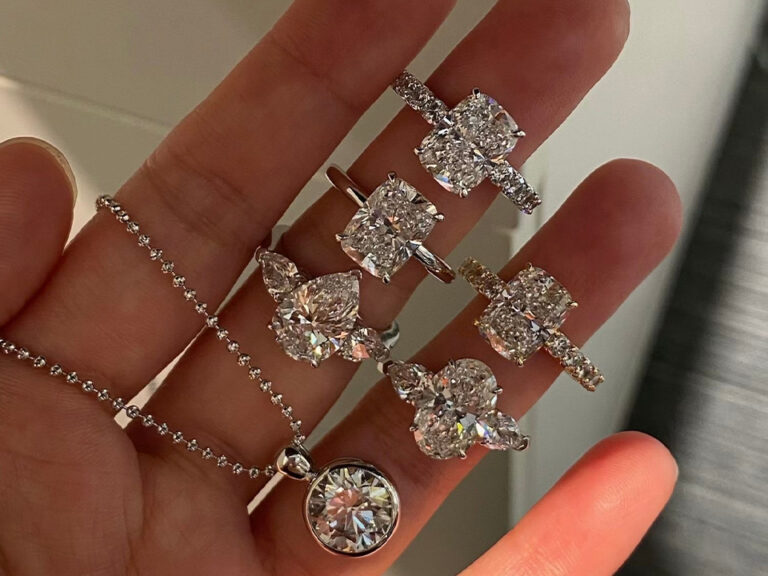
The minimalist bezel-set lab-grown diamond anklet is a valuable example. A bezel shields the rock, decreases snagging and creates a tidy account. In silver, this layout can end up being an obtainable daily-wear SKU instead of an obvious deluxe purchase.
The pear-cut lab-grown ruby bracelet style demonstrates another principle: fancy cuts produce differentiation also when the underlying material is widely readily available. Translating that visual rhythm into rhodium-plated sterling silver can sustain a bridal-accessory or occasionwear cost rate without carrying an 18K gold cost base.
Necklaces allow a wider audience. An oblong lab-grown diamond pendant with rhodium ending up offers a design framework that can relocate naturally into white-toned sterling silver, where steel shade and stone luster currently align.
The lesson is not to replicate every gold layout in silver.
Use the gold array as a design laboratory. Transfer forms, proportions, setups and using events, after that rebuild the cost logic around silver weight, plating, stone size and customer intent.
Disclosure Policies That Secure Conversion and Trust
Disclosure is not ornamental copy.
The United States Federal Trade Payment specifies that jewelry claims have to be exact which sellers should divulge details needed to prevent customers from being deceived. Advertising a laboratory-created diamond just as a “diamond,” without credentials, might produce the false impression that the item is extracted.
I suggest duplicating beginning information in 5 locations:
Item title
First product-description paragraph
Product and rock requirements table
Shopping-cart or order recap
Packaging insert or certificate
Usage language such as “laboratory-grown ruby,” “laboratory-created sapphire” or “natural purple.”
Do not hide beginning in an accordion food selection.
And stay clear of dealing with “synthetic,” “lab-grown” and “simulated” as interchangeable. Artificial sapphire has considerably the same make-up and properties as all-natural sapphire. A sapphire-colored glass stone does not.
For all-natural gemstones, disclose substantial treatments. Heat, fracture filling, dyeing, diffusion and oiling can influence care, appearance and business worth. A laboratory record determines the gemstone and may disclose treatments, but GIA emphasizes that such a report is not an economic evaluation.
That distinction ought to appear in personnel training. Qualification verifies identification and attributes. It does not guarantee future resale worth.
Step the Mix Over 90 Days
Viewpoints need to run out.
Release the collection in controlled batches and testimonial performance after 30, 60 and 90 days. Do not depend just on total revenue; a heavily reduced item can appear successful while destroying stock economics.
Track these metrics by rock beginning:
Full-price sell-through: Systems sold without markdown separated by devices gotten.
Gross margin return on supply: Gross margin dollars separated by typical inventory price.
Product-page conversion: Purchases separated by qualified product-page visits.
Return rate: Especially essential for color mismatch, range assumptions and harmed settings.
Customer-service call price: Concerns regarding whether a stone is natural, laboratory-grown, cured or certified expose weak item communication.
Price-test response: Contrast conversion after controlled cost changes as opposed to assuming the initial markup was right.
Cross-category attachment: Step whether a lab-grown pendant customer also purchases a silver chain, earrings or piling ring.
My recommended decision regulation is easy: restore laboratory-grown items promptly but shallowly, because replacement rates can transform; renew all-natural industrial gems according to color-lot accessibility; and reorder exceptional natural rocks just when individual SKU business economics warrant the money dedication.
No sentimentality.
Regularly Asked Questions
What are lab-grown gems?
Lab-grown gems are products produced under regulated research laboratory problems that share essentially the same chemical, optical and physical residential properties as their all-natural equivalents, although their development history, incorporations, supply business economics, disclosure demands and viewed rarity differ in manner ins which directly affect pricing and merchandising.
They need to not be puzzled with simulants. A lab-grown ruby is corundum, like all-natural ruby; red glass merely mimics its appearance.
Should a silver precious jewelry collection have more lab-grown or all-natural gems?
For most mid-market sterling silver gems fashion jewelry, lab-grown rocks must bring the bigger unit commitment when the customer is getting dimension, color consistency and aesthetic impact, while all-natural stones must obtain much deeper storytelling, tighter quantities and higher price factors where origin, rarity and originality affect the purchase.
A practical opening appropriation is 45% of units in laboratory-grown products, 35% in accessible natural gemstones, 12% in premium natural rocks and 8% in experimental layouts.
Are all-natural gems always worth more?
Natural gems silver precious jewelry can justify a greater list price when the stone has recorded identification, eye-catching shade, skilled cutting, proper therapy disclosure and a provenance tale the customer values, however the word all-natural alone does not rescue weak material, common design or an inflated markup.
Worth depends on appeal, rarity, therapy, dimension, origin, paperwork and market demand. A badly reduced all-natural sapphire might carry out worse than a well-cut laboratory-created sapphire.
Just how should lab-created gems be disclosed?
A store must disclose a laboratory-grown or laboratory-created gemstone plainly in the item title, spec table, variant selector, billing, packaging and certification language so a reasonable buyer recognizes the stone’s origin prior to purchase rather than uncovering it through client service, evaluation or resale.
The disclosure ought to be visible prior to checkout. Beginning terminology concealed at the bottom of a product web page develops preventable governing and reputational exposure.
What are the very best gems for silver precious jewelry?
The most effective gemstones for silver jewelry are stones whose solidity, durability, therapy stability, substitute price and setup needs match the designated wear pattern, which generally prefers sapphire, ruby, spinel, quartz, topaz, garnet, aquamarine and lab-grown ruby over delicate or heavily consisted of material in everyday rings.
Emerald and opal can still do well in necklaces, earrings and protected setups where effect direct exposure is lower.
Construct the Following Collection with Evidence, Not Habit
The best product mix does not ask customers to select a side in the synthetic vs all-natural gemstones debate.
It gives them clear alternatives.
Use laboratory-grown rocks for regulated color, repeatable production and high aesthetic effect. Usage all-natural commercial gems for available uniqueness. Book costs all-natural material for items with adequate layout top quality, paperwork and storytelling to support the cost.
Then measure whatever.
For brands developing a brand-new sterling silver gems fashion jewelry collection, request stone-origin options, calibrated dimension varieties, plating specifications, therapy disclosures and sample prices before dedicating to production. A regimented OEM or ODM quick ought to contrast the very same style in laboratory-grown and all-natural product, revealing the actual distinctions in expense, minimal order quantity and retail positioning.
Develop the examination. Check out the data. Cut the weak SKUs.