Looking for a reliable jewelry manufacturer for your next collection? Sunsmerald Jewelry specializes in custom jewelry design, wholesale production, and professional manufacturing solutions for global brands, retailers, and distributors. Share your jewelry requirements with us, including product styles, materials, gemstone preferences, order quantities, and delivery expectations.
Cost Impact of Fully Traceable Metals and Lab-Grown Stones
Everybody in fashion jewelry wishes to offer you a clean conscience, but extremely couple of will reveal you the line things that actually make “totally deducible” steels and lab-grown stones affordable in advertising copy but costly in operations, margins, and long-lasting strategy. The expense of deducible steels and lab-grown stones isn’t just a rate per carat tale; it’s a structural change in just how brands buy, track, insure, and warrant every gram of steel and every lab-grown diamond they put into a necklace, ring, or wholesale line.
What “Totally Deducible” Truly Prices
Traceability is not a motto. It’s a technology stack, a lawful exposure, and an irreversible audit path that adheres to every ounce of gold or silver from mine or smelter to your completed pendant. According to a 2023 plan paper on due diligence in steel supply chains from the German government, significant traceability indicates continuous vendor audits, information systems, and conformity groups, not just a one-off certification, and those costs hit commodity investors and downstream brands straight as operating expenses instead of nice-to-have marketing additionals.
In technique, when a brand markets “fully traceable metals,” somebody has already paid for third-party audits, product paperwork, and supply chain mapping tools, and all of that expenses is being silently amortized into the retail price of that “easy” 18k gold lab-grown diamond necklace or that gold-plated clover port that looks so safe on an item page.
Traceable Metals Prices And Margin Compression
The immediate impact of actual traceability is cost friction. The raw metal price is still established on worldwide markets, however including traceability layers– paperwork, confirmation, logistics exposure– transforms a commodity right into a semi-premium input that sets you back more to take care of also if the base cost per ounce looks comparable theoretically.
Brands that rely on 18k gold pendants and appeals, especially in small-batch or wholesale groups, obtain hit hardest because transaction volumes are high and margins are slim; every additional certification, delivering checkpoint, and conformity action chips away at gross margin, also if the consumer only sees a neat, fixed cost on an item like an 18k gold lock necklace or a bird-themed 18k gold lab-grown pendant appeal.
Due Diligence Laws And Their Price Tag
Law is not theoretical anymore; it’s codified into price. The 2023 German campaign on steels due persistance and similar frameworks being gone over in the EU make “liable sourcing” a lawful demand, not an advertising optional, and that forces suppliers to build robust conformity facilities that do not come affordable.
And as soon as upstream suppliers spend for risk evaluations, traceability software, and event coverage, they pass those expenses downstream, so by the time a fashion jewelry brand name resources steels for a gold-plated beauty or a sterling silver connector, traceability overhead is already baked into the unit rate, successfully turning compliance into one more covert price line in jewelry production.
Lab-Grown Stones: Affordable Per Carat, Expensive In Method
Now allow’s talk rocks. Theoretically, lab-grown rubies are significantly cheaper than natural diamonds, with numerous analyses in 2023 and 2025 showing market prices for a 1-carat lab-grown diamond floating around 800 to 1,000 dollars while similar all-natural rubies sit around 4,200 dollars, meaning an 80 to 90 percent cost gap.
But that discount rate comes with volatility: one lab-grown price pattern report shows lab-grown ruby prices dropping about 74 percent from 2020 to 2024 and around 96 percent from peak levels over seven years, and when your input cost decreases that fast, your inventory technique, resale expectations, and regarded value all become moving targets that can squash brand name placing if you misread the contour.
Lab-Grown Gems Expense Contrast In Retail Truth
In real-world retail, the story gets back at messier. A 2023 evaluation highlighted that a natural 1-carat princess-cut diamond can retail around 2,500 bucks, while a comparable lab-grown equivalent is available in close to 500 bucks, and for 2-carat round diamonds, the all-natural version hits concerning 13,000 to 14,000 bucks while a lab-grown comparable sells for approximately 1,000 dollars.
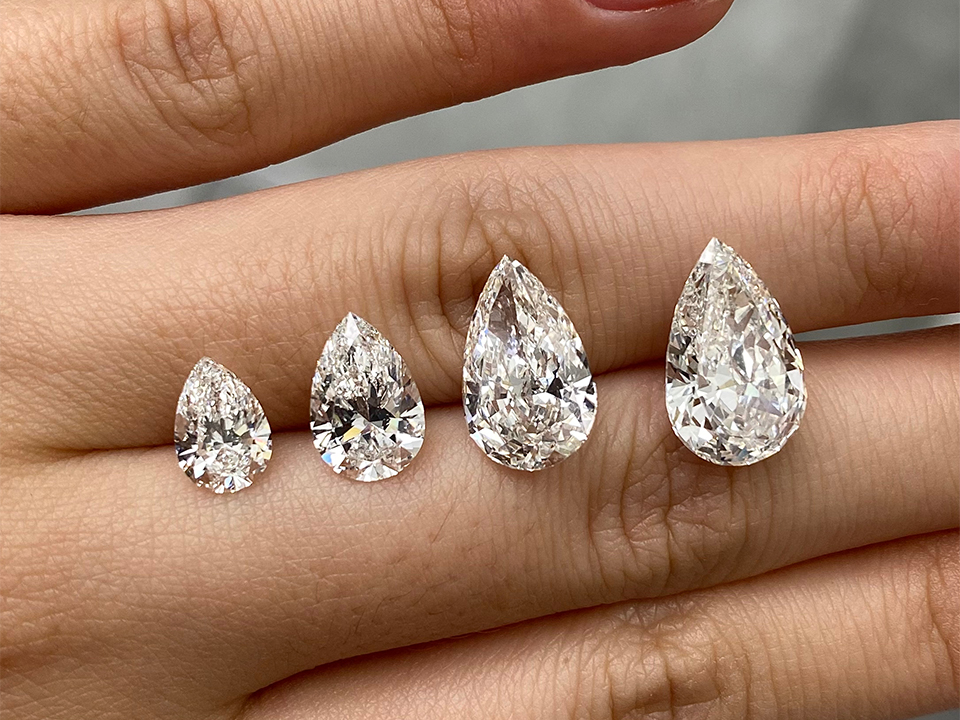
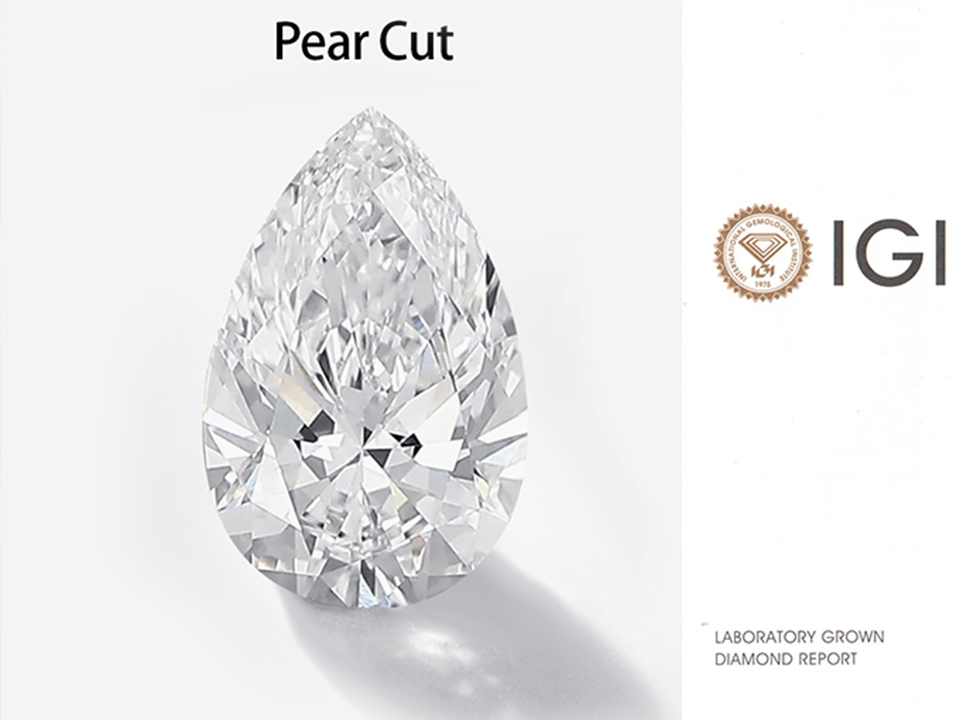
So when a brand name markets an 18k gold pear-shape lab-grown ruby necklace or a traditional jewelry lab-grown pendant, that price is not simply covering steel and rock; it’s additionally covering the reality that wholesale lab-grown prices maintain dropping, retail markups can hit 300 to 500 percent, and today’s client can Google that inconsistency in seconds and concern whether your “ethical” discount is in fact reasonable or inflated.
The Hidden Cost Of Transparency As Marketing
Customers state they want invoices. Openness is currently marketed as a merit, however delivering real transparency is expensive because it needs systems, data sharing, and recurring narration that must be updated and validated.
Researches examining sustainable precious jewelry brands in 2026 show that several new tags in the United States develop whole value recommendations around supply chain transparency, yet behind the scenes they are paying for traceability platforms, content development, and interior coverage that rarely get counted in simple “cost of items” estimations; instead, they are classified as marketing and brand-building expenses layered in addition to base products.
Lasting Jewelry Expense Analysis: Where The Cash Actually Goes
If we remove the green messaging and take a look at sustainable precious jewelry price structures, three huge containers emerge: traceable input premiums, compliance and certification prices, and narrative production (the storytelling and content called for to validate higher rates).
So when a brand name provides an 18k gold lab-grown ruby pendant for wholesale buyers or a lab-grown ruby silver necklace with 18k gold plating, the lasting precious jewelry expense analysis must truthfully consist of the additional steel documents, lab-grown sourcing certifications, and the transmission capacity spent producing sourcing stories that distinguish these items from generic, non-traceable products.
Supply Chain Traceability And Price Increases In Time
Traceability doesn’t just add a single uptick; it reshapes prices over time. As due diligence structures tighten and traceability ends up being required across even more jurisdictions, steels that are totally traceable and certified start trading at a costs because non-compliant stock is efficiently unsellable in key markets.
That suggests supply chain traceability can gradually push price curves up for certified steels, also while global benchmarks vary, and brands that already rely on traceable gold or silver in their necklaces, connectors, and charms will see their cost floorings rise in lockstep, particularly when they seek wholesale quantities tied to recorded resources.
Eco-Friendly Jewelry Rates Patterns: The Lab-Grown Element
Environmentally friendly precious jewelry made use of to imply recycled steels and minimal packaging; currently it’s a complex blend of lab-grown rocks, traceable metals, and quantifiable environmental or social insurance claims. The problem is that lab-grown ruby prices are trending downward so rapidly that a “premium” environmentally friendly product can suddenly look overpriced if the brand does not adjust rates or include new value layers.
By 2025, reports indicated that lab-grown diamonds usually sold at roughly 10 to 20 percent of the expense of comparable all-natural rubies, with some analysts keeping in mind that prices are approaching production cost restrictions, recommending that future price cuts will be constricted, yet present customers are already benefiting from steep declines that don’t constantly get handed down totally in retail prices.
Hard Reality: Ethical Sourcing Does Not Immediately Mean Fair Rates
Below’s the awkward component. Honest sourcing is typically framed as a moral upgrade, however it doesn’t instantly convert to fair, clear pricing for consumers or fair margins for workers. There’s a lure for brand names to double-dip– using traceability and lab-grown stones to lower input expenses while maintaining and even raising retail prices under the honest umbrella.
And the human rights reports that subjected abuses in standard gold and diamond supply chains additionally made it clear that numerous large brands still battle to convert accountable sourcing rhetoric right into constant practice, which implies customers might be paying premiums for narratives that are just partly backed by verifiable, traceable adjustment.
Product-Level Reality: How It Plays Out In Pendants And Charms
Take a look at details jewelry products and this ends up being tangible. An 18k gold pear-shape lab-grown diamond necklace or a timeless color laboratory ruby jewelry pendant can integrate lower-cost lab-grown stones with higher-cost traceable gold, causing a crossbreed price structure where the rock is cheap, the metal is costs, and the tale sells the entire bundle as elevated.
In a similar way, products like an 18k gold lock necklace charm, a sterling silver gold-plated clover zircon port, or a bird-inspired 18k gold lab-grown beauty count on fairly small metal weights and lab-grown or zircon rocks, yet the brand may layer in traceability insurance claims and environmentally friendly positioning that justify cost factors much over the raw product expense once the advertising and conformity expenses is consisted of.
Table: Expense Drivers For Traceable Metals And Lab-Grown Stones
Cost Vehicle driver
Effect On Steels (Deducible)
Effect On Lab-Grown Stones
Raw material price
Influenced by international steel markets and costs for recorded, conflict-free resources
Driven by production technology, energy prices, and quick price decreases because 2020
Traceability systems
Calls for audits, monitoring devices, paperwork, and personnel, raising per-unit steel cost
Very little direct traceability price, primarily certification and documents
Policy and due diligence
Compliance with laws like EU/German due persistance includes dealt with and variable expenses
Much less regulated today yet increasingly scrutinized for energy and sourcing
Advertising and marketing and transparency web content
Storytelling regarding origin, suppliers, and accreditations includes overhead past gears
Eco-positioning of lab-grown as honest alternative adds branding yet not much gears
Rate volatility and resale worth
Metal prices change yet hold innate value, helping resale and reusing
Lab-grown prices have actually dropped as much as 96% over 7 years, hurting resale worth
Customer understanding and willingness
Traceable metals seen as costs, supporting higher rate resistance
Lab-grown viewed as cheaper, moral alternative, pressing sellers to keep prices reduced
Frequently asked questions On The Cost Of Traceable Metals And Lab-Grown Stones
What affects the price of traceable steels and lab-grown rocks?
The price of deducible steels and lab-grown rocks is shaped by basic material prices, traceability systems, lawful conformity, advertising overhead, and quick price changes, especially in lab-grown diamond markets. Traceable steels lug costs as a result of due persistance and paperwork, while lab-grown rocks bring threat due to high price decreases and weak resale values.
In metals, completely traceable supply chains require audits, risk evaluations, and digital monitoring that increase procurement prices even when you’re buying standard alloys, and these prices range with volume in wholesale precious jewelry production. In stones, lab-grown diamonds have actually seen wholesale cost per carat drop to as low as 168 bucks by early 2025, which gives purchasers cost savings yet forces brand names to regularly rectify their prices technique to avoid being undercut or perceived as gouging.
Are lab-grown rubies truly less expensive than natural rubies?
Lab-grown diamonds are significantly more affordable than all-natural rubies in ahead of time cost, commonly retailing at around 10 to 20 percent of the cost of comparable natural rocks for similar carat weight, cut, and clearness. In 2023, records showed examples where a 1-carat all-natural diamond sold for around 2,500 bucks while a similar lab-grown version cost regarding 500 dollars, and for 2-carat rocks the void widened to 13,000 to 14,000 bucks for natural versus regarding 1,000 bucks for lab-grown.
Nonetheless, this price benefit includes significant resale danger since lab-grown rates have actually been dropping fast, with some analyses showing concerning a 96 percent drop from peak degrees over 7 years, and present secondary markets just returning roughly 30 to 40 percent of acquisition cost, making lab-grown diamonds much more like technology gizmos that drop rapidly than like typical store-of-value assets.
Does full traceability always raise fashion jewelry prices?
Complete traceability has a tendency to raise jewelry prices gradually because it increases operational and conformity expenses, also if customers do not see itemized surcharges on specific pieces. Regulative frameworks and due diligence obligations in steel supply chains suggest companies have to invest in tracking devices, supplier audits, and documents that include both fixed and variable expenditures to every gram of metal they acquire, and these expenses are eventually redeemed via higher retail prices or slimmer margins.
That stated, some brand names absorb part of these costs in the short term to gain market share or distinguish themselves, using traceability as an abstract property that enhances brand equity and prices power, especially in sectors like 18k gold lab-grown pendants, ports, and appeals where consumers are willing to pay even more for recorded origin but still anticipate competitive rates versus typical high-end houses.
Is environmentally friendly fashion jewelry really more lasting when it makes use of lab-grown stones?
Environmentally friendly precious jewelry that utilizes lab-grown rocks can reduce specific influences compared to conventional mining, yet sustainability is not guaranteed even if a stone is lab-grown; the total impact depends upon energy mix, factory techniques, metal sourcing, and the brand name’s wider supply chain openness. Researches on lasting jewelry brand names show that some labels effectively integrate transparent sourcing, traceable steels, and lab-grown stones into natural strategies, while others depend greatly on advertising language without completely dealing with discharges, labor conditions, or end-of-life recycling.
So a lab-grown diamond necklace in 18k gold or a gold-plated lab-grown necklace might be extra lasting than a similar mined-diamond item, but just if the steel is deducible, the production energy is fairly clean, and the brand name is truthful about trade-offs rather than utilizing “environmentally friendly” as a covering guard versus much deeper examination.
Are wholesale customers better off picking lab-grown and traceable steels currently?
Wholesale customers can take advantage of reduced ahead of time prices with lab-grown rocks and from regulative durability with deducible steels, but they also tackle more price volatility and tactical danger. Lab-grown rocks offer appealing per-carat savings and allow wholesalers to supply items like 18k gold lab-grown pendants or lab-grown silver lockets at affordable price factors, however continuous price decreases can erode the viewed worth of supply purchased even a year earlier.
Deducible metals, on the various other hand, may set you back even more in advance but reduce governing and reputational threat as due persistance commitments spread, properly future-proofing collections versus legal and market shocks, which is why several wholesale-focused brands quietly change their supply to deducible resources also when they only highlight it uniquely in their consumer-facing marketing.
Conclusion
If you’re significant about the cost of deducible metals and lab-grown rocks, stop treating it like a simple “green premium” and begin bookkeeping your actual price stack– materials, traceability, conformity, and story. Check out your 18k gold lab-grown necklaces, your lab-grown silver necklaces, your gold-plated clover connectors and appeals, and ask where traceability and lab-grown inputs are really conserving you cash versus where they’re simply giving you a story to charge much more.
Then choose: are you mosting likely to be the brand that silently adventures the marketing wave, or the one that releases actual numbers, revisits prices consistently, and treats transparency and cost honesty as the core product, not just the tagline?