Looking for a reliable jewelry manufacturer for your next collection? Sunsmerald Jewelry specializes in custom jewelry design, wholesale production, and professional manufacturing solutions for global brands, retailers, and distributors. Share your jewelry requirements with us, including product styles, materials, gemstone preferences, order quantities, and delivery expectations.
A vendor can publish pictures of grinning craftspeople, include a fallen leave symbol to its directory, repeat words “accountable,” “conflict-free,” and “sustainable,” yet still refuse to recognize its refiners, stone sources, subcontractors, layering center, or audit scope. That is not openness. It is branding.
So what are you actually getting?
When moral jewelry providers can not attach an ended up SKU to outdated proof, I deal with the moral claim as unverified. Not incorrect, necessarily. Unverified. That difference matters due to the fact that complaints require proof, yet acquiring choices do not call for blind confidence.
The hard reality is basic: purchasers frequently compensate suppliers for stating the best things long prior to any person checks whether their papers, invoices, manufacturing courses, and material cases concur.
“Ethical” Is a Claim, Not a Vendor Credential
There is no universal product spec called “moral.” The term may refer to employee security, wages, mine conditions, conflict funding, recycled web content, carbon exhausts, chemical handling, animal welfare, neighborhood permission, or all of these at the same time.
That uncertainty is readily valuable to weak suppliers.
A manufacturing facility might call itself moral since it passed a social audit 3 years ago. A gemstone dealership may make use of the term due to the fact that its rubies are covered by a wide conflict-free statement. A plating subcontractor might never ever be analyzed in all. Yet the completed item is marketed as though every celebration, process, and material has actually been validated.
I call this certificate laundering: one legitimate-looking record is used to clean the credibility of a whole supply chain that the paper never covered.
The U.S. Federal Trade Payment advises marketing experts versus wide, unqualified ecological benefit cases since customers may analyze them extra extensively than the advertiser can corroborate. Its Environment-friendly Guides address evidence, certifications, certifications, seals, recycled material, renewable materials, and other ecological depictions.
The FTC additionally sent out alerting letters to eight fashion jewelry marketers in 2019 over possibly deceitful summaries of laboratory-created and substitute rubies. The caution was not that lab-grown rocks were naturally troublesome; it was that terms and disclosures can mislead customers.
Words matter. Records matter more.
Why Supplier Privacy Is Now a Financial Danger
Non-transparency is no more just an unpleasant purchase concern. It can become an import hold-up, terminated order, merchant dispute, advertising and marketing grievance, assents direct exposure, chargeback, or reputational occasion.
Instruction (EU) 2024/1760 on corporate sustainability due persistance entered into force on July 25, 2024, requiring covered business to determine and resolve adverse human-rights and environmental effects throughout their procedures and global worth chains. The framework was consequently changed in 2025 and 2026, but the direction stays apparent: documented threat monitoring is changing volunteer narration.
The European Payment reported that 70% of companies replying to its assessment supported EU-level due-diligence activity, while just about one-third claimed they were currently taking actions to deal with hazardous human-rights or ecological results. It also determined unstable information about business partners as a consistent problem.
That space is where buyers get injured.
A vendor may be technically with the ability of producing an eye-catching item while staying administratively incapable of proving where its gold, silver, rocks, or components originated from. In 2026, that is not a minor documentation weakness. It is a cautioning concerning administration high quality.
The most effective moral precious jewelry distributors understand that traceability belongs to the item. They do not deal with order, set referrals, test records, refinery records, audit days, and corrective-action plans as confidential troubles exposed only after a dispute.
What Recent Precious Jewelry Instances Disclose About Traceability
Consider Pandora’s 2024 change to recycled silver and gold. Reuters reported that the firm expected the modification to reduce indirect CO two exhausts by around 58,000 metric tonnes annually which Pandora was investing about $10 million annually in the program.
Outstanding numbers. Real investment.
However the exact same report noted a trouble purchasers should not overlook: when precious metals are melted, determining their earlier origin becomes difficult, and stolen gold can go into recycled-metal channels as scrap. Pandora resolved this via a Liable Jewellery Council chain-of-custody standard that excluded particular sources, including gold bars and coins.
The lesson is not that recycled gold is deceitful. The lesson is that “recycled” does not get rid of due persistance. It transforms the questions.
The 2024 Russian-diamond constraints revealed the very same weakness from an additional angle. Reuters reported that importers in G7 markets at first had to self-certify non-Russian origin, while the European Union intended traceability qualification with Antwerp for rubies considering 0.5 carats or more.
That system encountered sector resistance, implementation delays, and differences involving African producers, Indian brushes, U.S. jewelry experts, Belgian authorities, and international deluxe teams. The USA stood for approximately 50% of the G7 diamond-jewelry market, while Angola, Botswana, and Namibia together represented about 30% of ruby output.
Why does this matter to a smaller buyer?
Due to the fact that a polished ruby’s last processing nation is not always its extraction country. A supplier who responds to an origin question with “cut in India,” “purchased in Dubai,” or “delivered from Belgium” might be defining a deal factor as opposed to the resource.
Exactly How to Validate Honest Precious Jewelry Distributors Before Testing
Just how to vet precious jewelry providers? Beginning before reviewing device price.
I utilize a five-layer test that moves from identity to product-level evidence. Each layer should concur with the next. When names, days, addresses, amounts, or product summaries dispute, quit and check out.
1. Verify the Legal Service
Ask for the supplier’s licensed lawful name, company number, signed up address, producing address, export entity, bank-account recipient, and names of any type of trading firms entailed.
The quotation name, invoice name, certificate holder, financial institution beneficiary, and manufacturing facility name must develop a coherent framework. They do not always require to be identical, yet the vendor must describe each partnership in composing.
A factory audit coming from Business A does not immediately cover production invoiced by Company B and shipped from Company C.
2. Map the Actual Manufacturing Chain
Ask which operations are finished in-house:
Casting
Stone reducing
Stone establishing
Polishing
Electroplating
Enameling
Laser engraving
Assembly
Packing
After that recognize subcontractors.
This is where lots of “honest factory” discussions collapse. The evaluated facility might do assembly while higher-risk procedures– plating, polishing, spreading, or rock handling– happen in other places.
And nobody examined them.
3. Need SKU-Level Material Meanings
Broad statements are insufficient. Call for measurable specs.
The silver base is 925 sterling silver, nominally 92.5% Ag.
The surface area is layered rather than solid 18K gold.
The 18K plating alloy stands for approximately 75% gold before it is transferred.
Then ask what no one puts in the way of living duplicate: Was the ruby produced by chemical vapor deposition, called CVD, or high-pressure high-temperature development, called HPHT? Who rated it? What is the plating density in micrometres? Is there nickel in the barrier layer? Which laboratory executed X-ray fluorescence testing?
“18K gold plated” without density, underlayer, examination approach, and resistance is a visual description– not a sturdy production specification.
4. Suit Certifications to Scope
Inspect 5 areas on every certification:
Called legal entity
Site address
Requirement and version
Audit or issue day
Scope of products and tasks
A certificate for a head office does not show conditions at a factory. A responsible-sourcing policy does not confirm that a particular purchase complied with the policy. An expired audit does not describe present problems. Subscription in a sector organization does not instantly verify every transaction.
The OECD states that its responsible-minerals assistance uses across the complete supply chain, from mines to finish customers, and areas obligation for due diligence on the business themselves. Its recommendations resolve human-rights misuse, dispute funding, bribery, cash laundering, and other monetary criminal activities linked to mineral sourcing.
Outsourcing verification does not contract out responsibility.
5. Check the Vendor’s Answers for Uniformity
Ask the exact same question in various means and at various times.
Request the refinery name during onboarding. Ask for it again when authorizing the sample. Later, demand the transaction or batch recommendation connected to the manufacturing order.
Truthful providers might need time to retrieve records. That is typical. What problems me is not a delayed response yet a changing response: “regional resource” becomes “licensed resource,” then ends up being “our upstream vendor will certainly not reveal.”
That is not a documents space. It is an information-control approach.
Audit Each Product Rather Than Relying On the Finished Tale
Jewelry supply chain transparency ends up being easier when the item is burglarized materials and procedures.
Take a 925 sterling silver clover charm adapter with gold plating. A liable fashion jewelry sourcing review ought to separate the silver, alloying metal, zircon, plating chemistry, solder, polishing substances, and product packaging.
The vendor should have the ability to address:
Is the silver extracted, reused, or mixed?
How is recycled content determined?
Is the zircon all-natural, synthetic, or cubic zirconia?
Which chemicals are used during layering?
Are wastewater and metal-bearing sludge dealt with by certified celebrations?
Does the statement put on this SKU or only to the factory typically?
The same technique applies to an 18K gold lock pendant provided for wholesale collections. “18K gold” ought to activate inquiries regarding excellence screening, alloy make-up, refinery resource, recycled percentage, mass balance, set control, and country of origin.
For a lab-grown 18K gold bird pendant with zircon, do not allow 3 appealing expressions– lab-grown, gold, and zircon– to merge into one obscure honest halo. Each case has a various evidence chain.
And for a gold-plated titanium heart pendant locket, call for a precise substrate quality. “Titanium steel” is not accurate sufficient for a technical data. Ask whether the base is important titanium, an ASTM titanium quality, 316L stainless-steel, or one more alloy, then confirm it with a make-up test.
The molecule does not appreciate advertising.
Jewelry Industry Greenwashing Patterns I Deal With as Red Flags
Not every weak claim is deliberate fraudulence. Some vendors copy language from competitors, misunderstand certification limitations, or rely on inadequately trained sales groups.
But intent does not repair your exposure.
The Certificate Avalanche
The supplier sends 19 certifications, none connected to the product, delivery, product set, or existing manufacturing site.
Volume is utilized to change relevance.
The Discretion Wall
Mine names, refinery identities, subcontractors, and audit searchings for are all called “commercial tricks.” Some details might really need a nondisclosure agreement, but total secrecy is exempt sourcing.
A convenient supplier can divulge evidence under controlled conditions.
The Conflict-Free Faster way
“Conflict-free” is presented as evidence of reasonable incomes, safe working problems, reduced emissions, clean water, lawful mining, area authorization, and full traceability.
It proves none of those things on its own.
The Recycled-Content Mirage
A provider declares “100% recycled gold” but can not define whether the input is post-consumer precious jewelry, manufacturing scrap, digital waste, investment products, or blended refinery feedstock.
The group matters due to the fact that the threats and claimed ecological benefits vary.
The Lab-Grown Halo
A laboratory-grown ruby is marketed as automatically moral without disclosure of power source, manufacturing nation, worker conditions, activator ownership, grading, or cutting and polishing path.
A different beginning procedure does not produce automatic supply-chain virtue.
The Audit Without Corrective Actions
The provider shares a passing score yet keeps non-conformities, corrective-action deadlines, closure proof, and follow-up findings.
Genuine audits generate troubles. A record which contains no problems may deserve extra analysis, not less.
Vendor Openness Scorecard
Use a heavy rating instead of counting on instinct. A distributor scoring below 60 ought to not receive an “moral” classification. A vendor listed below 40 ought to typically be blocked from manufacturing up until material gaps are shut.
Evaluation Area
Evidence Required
Weight
Solid Evidence
Warning
Lawful identity
Enrollment, address, possession, export entity
10%
All entities fix up
Bank or invoice entity unusual
Factory scope
Process map and subcontractor checklist
15%
Every production stage identified
Layering or casting area held back
Product make-up
XRF, assay, rock record, alloy specification
15%
Reports linked to SKU or set
Common product declaration
Beginning and chain of guardianship
Refinery, mine, laboratory, deal references
20%
Deducible documents with days and quantities
“Trusted regional source”
Labor controls
Current audit, employee interviews, rehabilitative actions
15%
Findings and closure evidence divulged
Certificate just
Environmental controls
Authorizations, wastewater data, chemical inventory, waste documents
10%
Process-specific records
Broad “eco-friendly” declaration
Claim confirmation
Proof supporting honest, recycled, lasting, or conflict-free cases
10%
Insurance claim wording matches evidence extent
Unqualified marketing language
Administration responsiveness
Named owner, deadlines, composed responses
5%
Constant and liable
Solutions alter continuously
Do not allow rate make up for an unsuccessful score.
An inexpensive supplier with concealed subcontracting, in need of support recycled-content cases, or irregular company identifications is not cheaper. The expense has merely been moved right into future inspections, hold-ups, conflicts, relabeling, product withdrawals, and legal evaluation.
What to Do When a Vendor Declines Openness
Do not start with accusations. Begin with an official evidence request.
Listing every missing out on product, why it is called for, the appropriate file kinds, the liable individual, and the due date. Separate required manufacturing blockers from lower-priority enhancements.
Then apply a three-stage reaction.
Stage One: Restrict the Insurance claim
Eliminate “moral,” “lasting,” “properly sourced,” “environmentally friendly,” and similar language from purchase orders, product packaging, product pages, and merchant files until the supporting proof exists.
You can not market certainty while checking out uncertainty.
Phase Two: Restrict Industrial Direct Exposure
Stop brand-new SKUs, cap order amounts, withhold exclusivity, increase inspection regularity, call for pre-shipment testing, and move risky products to authorized sources.
For ongoing production, protect samples, set documents, billings, communication, certifications, examination outcomes, and case approvals.
Stage 3: Exit When Secrecy Lingers
End or eliminate the supplier when it refuses to determine production websites, consistently offers inconsistent records, changes records, obstructs independent confirmation, or asks your organization to release cases it can not corroborate.
However departure responsibly.
Immediate termination can shift harm onto workers that had no control over monitoring choices. Where possible, record the breach, spend for adapting completed job, shield confidential whistleblowers, and develop a regulated change to another resource.
The objective is not performative punishment. It is risk removal with proof.
Often Asked Inquiries
Just how do you verify honest fashion jewelry providers?
Confirming honest precious jewelry providers suggests matching every advertising and marketing insurance claim to dated, product-level evidence, consisting of legal service identification, material make-up, native land, refinery or research laboratory documents, chain-of-custody files, worker and environmental audits, purchase recommendations, and an answerable person who solves discrepancies before production or settlement starts.
The confirmation ought to cover subcontractors along with the main factory. Test chosen cases versus invoices, set documents, laboratory reports, audit scopes, and physical samples rather than approving plan statements alone.
What are the primary signs of fashion jewelry sector greenwashing?
Precious jewelry industry greenwashing is the use of broad environmental or social claims that exceed the readily available proof, commonly with undefined terms, unnecessary certificates, concealed subcontractors, unverifiable recycled-content numbers, careful disclosure, ran out audits, misinforming seals, or conflict-free statements offered as evidence of a totally liable supply chain.
Watch for distributors that answer precise questions with slogans. “We care about the earth” is not an action to “Which refinery processed this gold set?”
Is an RJC or comparable qualification enough to confirm honest sourcing?
A certification is evidence that a named organization, facility, activity, or administration system was assessed versus a specified standard throughout a stated period; it is manual proof that every product, subcontractor, employee, shipment, ecological case, or ended up product in the distributor’s magazine satisfies the purchaser’s ethical-sourcing needs.
Customers need to review the certificate range, exclusions, days, website addresses, audit technique, and chain-of-custody insurance coverage. Qualification ought to reinforce ethical sourcing due diligence, not replace it.
What should I do when a jewelry distributor refuses to call its resources?
A supplier’s refusal to call upstream sources ought to trigger a recorded risk review, short-term limitation of honest advertising claims, tighter order controls, alternate proof requests, and a clear target date; when the supplier likewise turns down discretion arrangements, independent confirmation, or batch-level documents, the connection needs to usually be put on hold or ended.
Some resource details may be commercially sensitive. A nondisclosure arrangement, auditor testimonial, or limited information space can safeguard it without forcing the customer to operate blindly.
Are lab-grown diamonds automatically more moral than extracted diamonds?
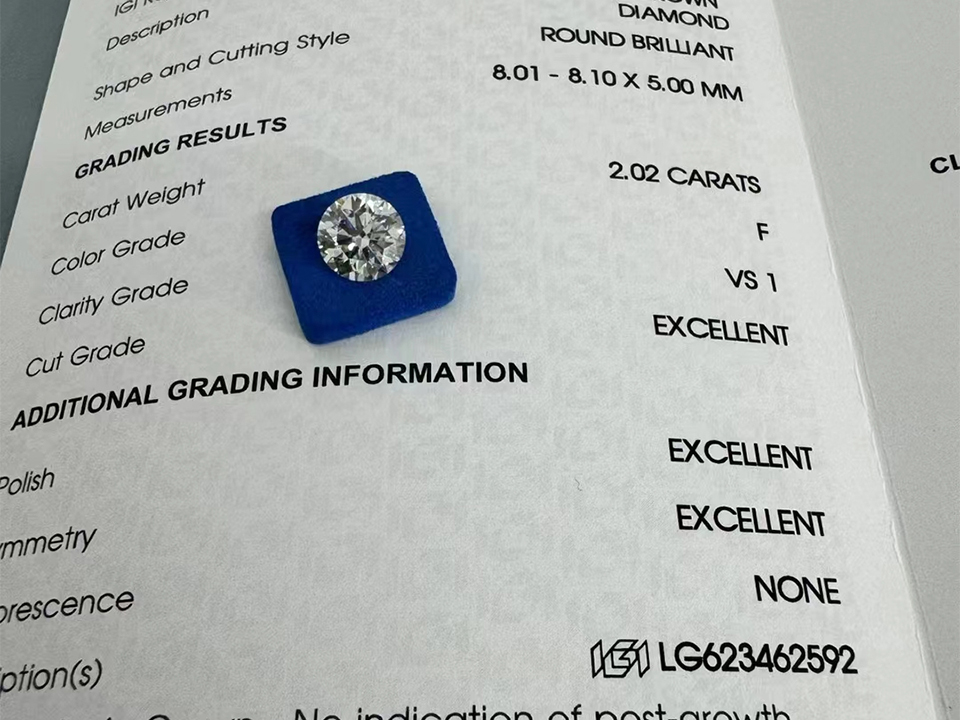
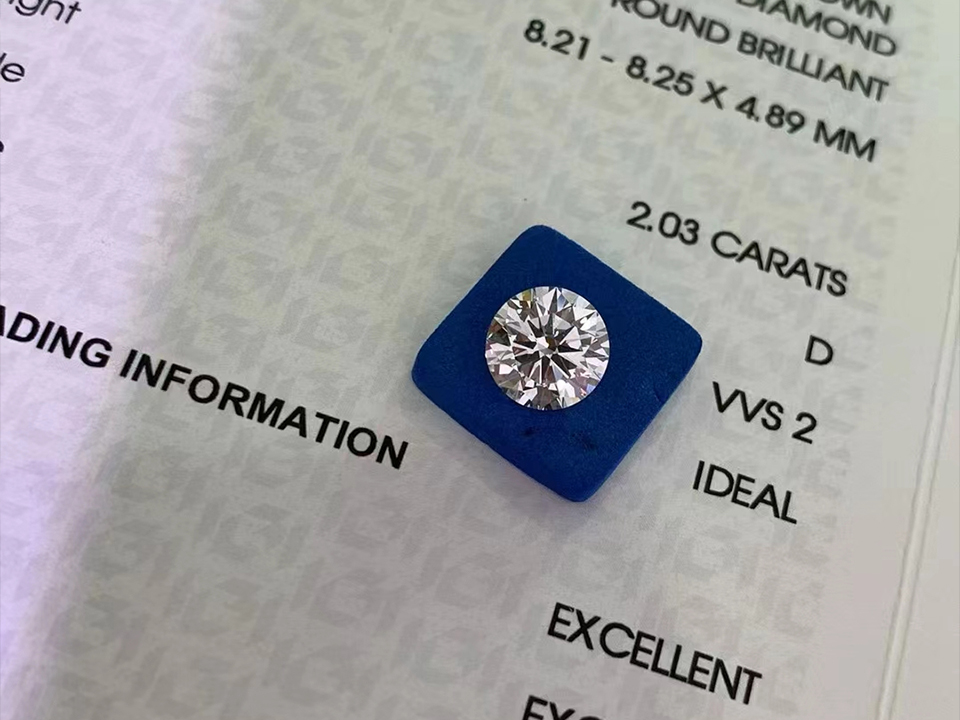
Lab-grown rubies are diamonds generated through CVD or HPHT procedures as opposed to geological extraction, but their ethical condition still relies on power sources, worker conditions, manufacturing facility ownership, reducing and brightening techniques, chemical administration, exhausts, grading precision, beginning disclosure, and the proof sustaining any comparative environmental or social insurance claim.
They might stay clear of details mining threats, yet that does not verify no injury. Purchasers must ask for growth-method disclosure, making country, grading records, cutting area, power information, and chain-of-custody documents.
What specifies the very best ethical precious jewelry providers?
The very best ethical jewelry vendors are producers and investors that connect every significant sourcing insurance claim to existing, individually reviewable proof; reveal manufacturing websites and subcontractors; keep batch-level product documents; respond consistently to inconsistencies; proper audit findings; and allow customers to explain items precisely without exaggerating what has in fact been verified.
Openness does not suggest excellence. It indicates the vendor can reveal what it understands, determine what it does not recognize, and demonstrate how unsolved risks are being decreased.
Build a Supply Chain You Can Protect
Do not look for providers that just look moral. Search for providers whose insurance claims endure aggressive concerns.
Request for the refinery. Examine the scope. Match the batch. Test the alloy. Recognize the subcontractor. Read the corrective-action record. Tape who accepted every case.
And agree to walk.
Whether you are sourcing a silver necklace, a layered charm, a solid-gold pendant, a lab-grown ruby item, or a titanium-based style thing, the criterion needs to continue to be the same: no ethical insurance claim without evidence proportionate to the claim.
That is just how we move from appealing language to liable fashion jewelry sourcing– and from vendor depend distributor evidence.