Looking for a reliable jewelry manufacturer for your next collection? Sunsmerald Jewelry specializes in custom jewelry design, wholesale production, and professional manufacturing solutions for global brands, retailers, and distributors. Share your jewelry requirements with us, including product styles, materials, gemstone preferences, order quantities, and delivery expectations.
What to Include in a Lab-Grown Diamond OEM Tech Pack
You desire control. The manufacturing facility wants speed. Somewhere in between, the tech pack decides who wins. A lab-grown ruby technology pack is not “nice-to-have documents”; it’s the only record standing between your CAD vision and a shipment of misgraded rocks, incorrect alloys, and quiet margin leakages across countless items. So what do we really require to consist of if we’re significant about OEM and not simply playing developer on Instagram?
Why Lab-Grown Ruby Technology Loads Determine Your Earnings
The majority of brands discover this by hand. A tech pack for lab-grown ruby OEM is a technological and lawful plan that tells the manufacturing facility specifically what to create, exactly how to validate it, and what is non‑negotiable across rubies, metals, resistances, and branding. When you do not spell those things out in writing, the manufacturing facility fills out the blanks with whatever is most affordable, easiest, or the very least most likely to slow their production line, and they will still tell you “we followed your style.”
We have actually seen what takes place when documentation is obscure. The FTC’s Precious jewelry Guides make misrepresentation of lab-grown beginning and characteristics a deceptive practice, and several enforcement actions because 2019 have actually targeted nondisclosure and deceptive ruby summaries in the U.S. market. When your OEM partner ships stones identified as “ruby” without the lab-grown qualifier, that is not simply negative principles; it’s regulatory obligation that recedes toward your brand, due to the fact that your own tech pack never ever explicitly needed compliant language on invoices, tags, and certifications.
Core Framework of a Lab-Grown Ruby OEM Technology Pack
Beginning easy. One cover page, one index, then sections that never change from task to project. A robust lab-grown ruby technology pack usually consists of: a design overview, multi‑view illustrations, precise dimensions and tolerances, stone specifications, metal and plating information, finishing details, packaging and branding requirements, and a signed authorization block for manufacturing. If any of those sections reside in a person’s inbox as opposed to in the technology pack, you are counting on memory, not process.
I treat the technology pack as a standing contract, not a “good PDF.” In method, that means every e-mail update, “tiny” adjustment to rock size, or last‑minute switch from moissanite to lab-grown ruby obtains curtailed right into the master record and re‑approved prior to a manufacturing facility begins cutting or casting. Or else, you wind up with three variations of the fact: the designer’s CAD, the merch team’s spread sheet, and the manufacturing facility’s “newest” WhatsApp string.
Design Review, Collections, and Visual References
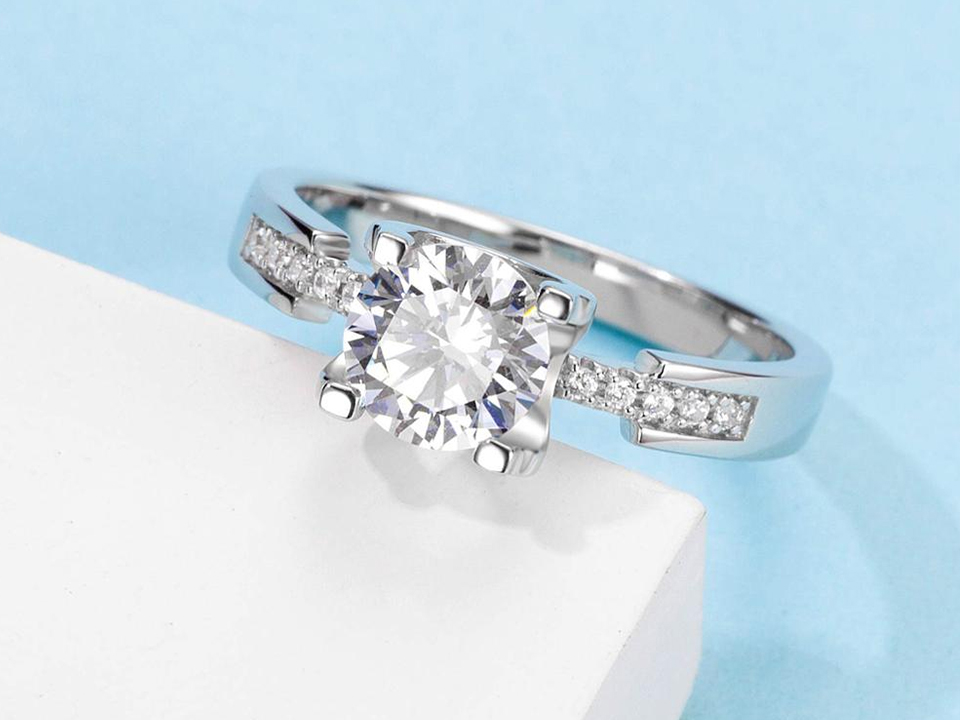
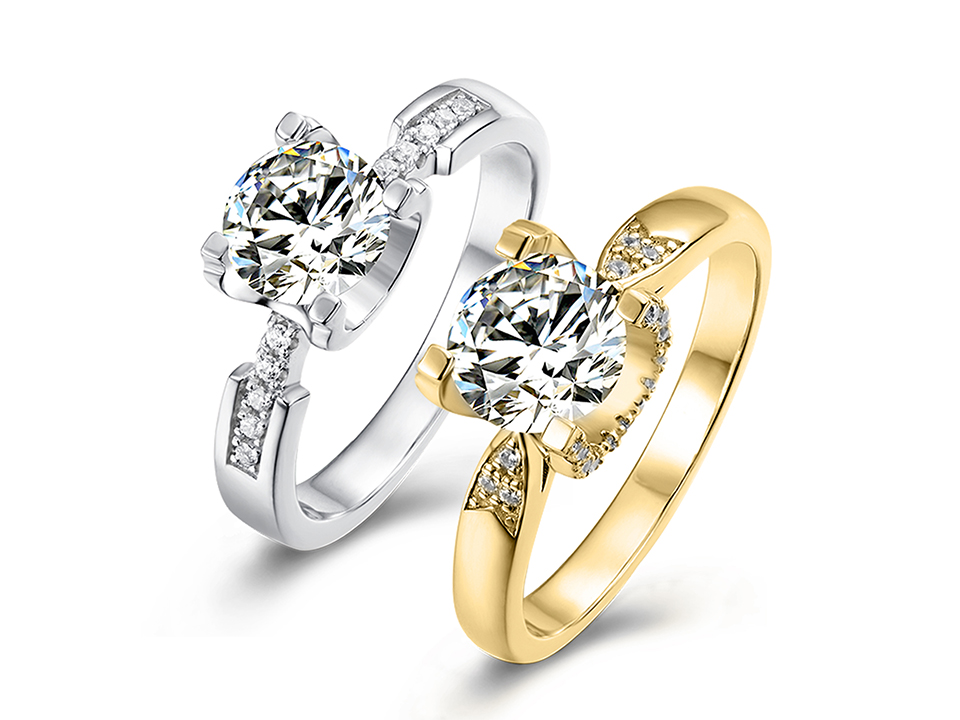
First, tell the factory what they’re in fact building into. A great design summary clarifies the collection name, target audience, placing (access, mid, or high-ticket), and how this piece relates to various other SKUs in the line. When the OEM group recognizes that a lab-grown ruby 18K gold ring sits in the exact same household as your existing sophisticated deluxe lab-grown ruby 18K gold ring for females, you can reference a tested design rather than reinventing geometry whenever, particularly if you currently run a line with comparable percentages and head structures.
Visual recommendations ought to not be arbitrary Pinterest shots. I’ve seen brands ship “heart chain motivation” pictures, then act surprised when the example looks like common heart‑themed chain fashion jewelry, since that was the closest pattern their OEM already carried the rack. If you want something more detailed to your own heart-design moissanite silver chain fashion jewelry for wholesale, web link or install that exact product picture with callouts, instead of really hoping the factory presumes your favored heart curvature or chain density from memory.
CAD, Orthographic Sights, and Dimensional Tolerances
CAD rules every little thing. A correct laboratory grown diamond tech pack design template always consists of front, top, and side orthographic projections plus a perspective sight, with millimeter dimensions plainly labeled for all vital measurements. The precious jewelry production world progressively works at 0.01 mm precision, and if your CAD just calls out “approximate head dimension” or “around 1.5 mm shank,” you’ve essentially provided the factory consent to freestyle.
After that there are tolerances. I push clients to compose tolerances clearly: ring width 2.0 mm ± 0.1 mm, prong height 1.2 mm ± 0.05 mm, rock seat deepness aligned with the lab-grown ruby table at 0.0 to +0.05 mm. When you don’t specify resistances, QC loses its teeth, since the factory can always suggest that a distorted shank or underbuilt prong is “within practical variant” for hand ending up. On complicated brooches or multi-stone setups, particularly designs like classic cartoon moissanite silver brooch or butterfly moissanite silver brooch for fashion jewelry wholesale where numerous moving components satisfy, neglecting resistances is an invite for misalignment and weak solder joints.
Rock Specs for Lab-Grown Diamonds in OEM
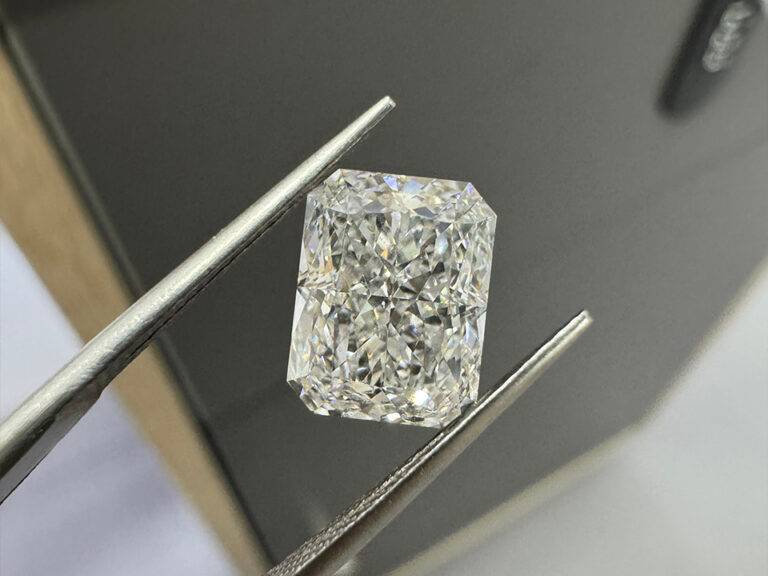
This is where brands quietly bleed margin. Your OEM tech pack for lab-grown rubies needs to specify: development technique (HPHT or CVD), color and clearness array (e.g., G– H, VS1– VS2), cut quality, carat weight per rock, overall carat weight per item, and accreditation needs (e.g., IGI or GIA for center rocks over 0.30 ct). When you simply write “lab-grown ruby, 1 ct, VS,” you’re offering the manufacturing facility space to downgrade shade, push clarity to borderline SI, and still declare they followed your spec.
There’s likewise a regulatory dimension that a lot of creators disregard. CIBJO assistance and FTC Fashion jewelry Guides both firmly insist that beginning disclosure–“lab-grown,” “laboratory‑created”– shows up plainly in paperwork and at the point of sale, not hidden in fine print. If your lab-grown ruby item specification sheet doesn’t compel the OEM to utilize certified terms on tags, billings, and grading reports, you can wind up with rocks offered as “diamond” in specific markets, revealing you to complaints of misleading method. That is not academic; regulatory authorities have utilized these criteria to police misdirecting marketing for lab-grown diamonds in numerous territories.
Steel, Alloys, and Plating Requirements
Manufacturing facilities dislike unclear steel specifications. In any kind of lab-grown diamond manufacturing technology pack, I define metal kind, purity, distributor or criterion (e.g., 18K gold per EU nickel release limitations), and whether we will certainly accept recycled alloys or virgin feedstock. For silver chains or breastpins, this gets back at a lot more sensitive, because an unqualified “silver” note can lead to anything from 925 sterling to base-metal plated items, depending upon what the factory intends to get rid of from stock.
Layering specs are equally non‑optional. If you’re utilizing pieces akin to a moissanite silver brooch with oval, pear and round reduced layout, your technology pack must define base density (microns), flash layers, underplating (e.g., palladium obstacle), and salt‑spray or sweat‑test targets aligned with your brand’s guarantee duration. Otherwise, don’t be surprised when a “2‑year warranty” item begins brassing out at month 4, because the OEM silently dropped your plating criterion on the second set to improve return.
Establishing Designs, Prong Geometry, and Wearability
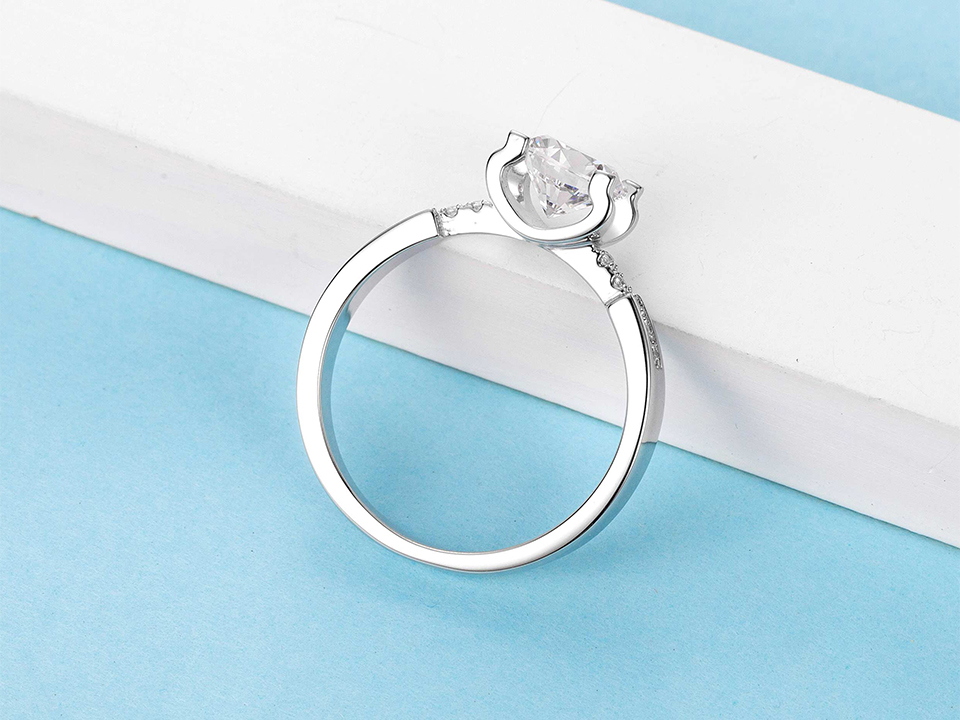
A diamond is only as safe as its setup. In practice, that means the lab-grown diamond tech pack should call out setting kind (prong, bezel, network, pavé), prong matter, prong density at base and pointer, and how far the stone table must sit above the metal line. When I examine fell short examples, the majority of lost stones map back to underbuilt prongs or over‑aggressive sprucing up, both of which are signs of insufficient instructions instead of “poor manufacturing facilities.”
Wearability is not cosy UX talk; it’s auto mechanics. For chains and breastpins, the technology pack need to capture target flex, hold type, hinge geometry, and grab testing demands, specifically for styles with numerous sharp intersections like heart themes or butterfly wings. If you have actually ever before put on a natural H shade diamond 18K gold traditional round chain that catches every weaved coat in your storage room, you currently recognize what disregarding snag screening looks like in the real world.
Compliance, Disclosure, and Documents Inside the Technology Pack
Compliance is where grown‑up brands separate from hustlers. At a minimum, a lab-grown ruby OEM technology pack should state which regulatory structures use: FTC Jewelry Guides for U.S. sales, CIBJO Laboratory‑Grown Diamond Advice for worldwide profession, and any kind of neighborhood hallmarking or nickel-release limitations where you prepare to disperse. That appears completely dry, yet if you do not document it, a lot of factories will quietly default to whatever passes their domestic customs, not your own.
The enforcement direction is clear. Advice from bodies like CIBJO and documents standards emerging from lab-grown diamond grading laboratories highlight mandatory origin disclosure, clear labeling of development method (CVD or HPHT), and explicit notation of any post‑growth treatments on rating records. If your tech pack doesn’t require those data factors in the lab-grown ruby grading report and connect them to a band inscription for traceability, you are trusting the OEM’s values greater than a lot of investors I understand would be comfortable with.
Costing, Resistances, and Modification Control
Allow’s talk cash. The worldwide lab-grown diamonds market is predicted to climb up from around 27– 33 billion USD in the mid‑2020s to more than 56– 90 billion USD by the very early 2030s, with double‑digit CAGR estimates over 11 percent from numerous research study houses. That growth looks exciting on a pitch deck, however it likewise means supply chains are under consistent cost pressure, and OEMs will certainly look for every technicality– rock top quality drift, plating shortcuts, lighter castings– to maintain their margins intact when raw costs spike.
Your tech pack needs to close those loopholes. That implies including a costing sheet that secures metal weight targets, rock qualities, and allowed alternatives, plus a formal change‑control section that specifies: no discrepancy from spec without created approval and modified technology pack versioning. When something certainly transforms– claim, IGI lead times for certain sizes leap or your preferred alloy vendor misses out on a shipment– you desire a paper trail, not a stack of WhatsApp voice notes.
Example Lab-Grown Diamond Tech Pack Elements Table
Below is an easy table I make use of with OEM groups when we’re saying regarding “how in-depth is also in-depth.” This is the truth check.
Tech Pack Element
Minimum Detail Needed
What Occurs If You Miss It
Style overview & & collection context
Collection name, target price band, referral SKUs
Manufacturing facility reuses incorrect geometry or weight targets
CAD sights & & mm measurements
Top, front, side, viewpoint with specific mm sizes
Misproportioned shanks, inconsistent rock spacing
Rock specifications for lab-grown diamonds
Development approach, color/clarity range, cut quality, TCW, cert regulations
Silent downgrades in color and clearness over time
Metal, alloy, and layering specifications
Alloy standard, pureness, micron thickness, test demands
Tarnish, brassing, allergies in market
Conformity and disclosure requirements
Origin phrasing, growth method, grading report areas
Unlimited arguments concerning what “acceptable” implies
If your current laboratory expanded diamond tech pack layout is missing greater than 2 of these rows, you’re not “overthinking it”; you’re under-documenting it.
A lab-grown diamond tech pack for OEM is a comprehensive production plan that tells your factory exactly how to create a precious jewelry item utilizing lab-grown rubies, consisting of CAD illustrations, dimensions, stone grades, metals, surfaces, conformity language, and QC regulations, so there is no ambiguity over what you’re paying for and what they have to deliver. In technique, it acts as both a technical manual and a contractual file, which is why avoiding information on rock specifications or beginning disclosure can easily become top quality drift or regulative issues down the line. When I examine failed jobs, the damage often begins with missing out on or obscure areas in the initial OEM technology pack.
What should I include in a technology pack for lab-grown diamond precious jewelry?
A solid tech pack for lab-grown diamond fashion jewelry ought to consist of: style summary, multi-view CAD illustrations, exact measurements and tolerances, full lab-grown diamond specifications (development method, 4Cs, TCW, certs), steel and plating information, completing details, logos and packaging, conformity demands, setting you back assumptions, and QC checkpoints with sampling strategies. If you are working with collections that mix lab-grown rubies and moissanite or silver elements, like brooches or heart-chain pieces, the file also requires to define which SKUs get which rocks and steels to prevent “imaginative alternatives” at the factory degree. Put differently: if it impacts price, top quality, or lawful risk, it belongs in the technology pack.
Exactly how do I develop a lab-grown ruby OEM tech pack if I’m a small brand name?
Producing a lab-grown diamond OEM tech pack as a tiny brand name indicates beginning with a simple, repeatable theme: specify one standard style for CAD views, one block for stone specifications, one for steel and plating, one for conformity, and re-use it across every SKU while upgrading only the variables. The majority of smaller groups I deal with begin by documenting their best-selling items– claim, an elegant deluxe lab-grown diamond 18K gold ring for females or a tried and tested silver breastpin layout– and then cloning that structure for brand-new layouts, which maintains cognitive load reduced yet still provides manufacturing facilities an expert, unambiguous quick each time. The trick is technique: each time you approve an example, freeze that precise arrangement in the tech pack and treat it as the single source of reality.
Are lab-grown ruby technology loads legally crucial or just functional?
Lab-grown diamond technology packs are both lawfully and operationally vital due to the fact that they record the agreed specs that regulators, insurers, and courts might check out if there is a dispute about misstatement, top quality, or origin disclosure. When FTC or similar bodies in various other territories examine whether a lab-grown diamond was marketed properly, they compare claims versus paperwork, and your OEM technology pack often feeds right into rating reports, billings, and product descriptions that regulators inspect. If your tech pack is obscure or inside inconsistent, you are effectively deteriorating your own protection prior to anything fails.
What are the greatest errors in lab-grown ruby OEM tech packs?
The most significant mistakes in lab-grown ruby OEM tech packs are: under‑specifying stone grades, disregarding origin and growth-method disclosure, leaving steel and plating information blurry, avoiding tolerances, and stopping working to secure changes with version control. I have actually enjoyed brand names whine about yellowish rocks only to discover their own spec claimed “near anemic lab-grown ruby” with no numeric color band, which offered factories massive freedom to chase less expensive parcels while still declaring compliance. An additional timeless failure is allowing WhatsApp negotiations bypass the written tech pack, which assures complication once you’re 3 sets deep and every person bears in mind a various “last” variation.
Conclusion
If your current lab-grown ruby tech pack lives as a half-finished spreadsheet and a folder of unlabeled CAD files, you’re not “virtually there”; you’re gambling with every manufacturing run. The next step is basic: pick one hero SKU, build a complete OEM tech pack around it making use of the elements above, and then roll that template throughout your entire line prior to you brief one more factory.